

A UTV can make a rough trail look easy from a distance. You see the machine climb over rocks, drop into ruts, launch across uneven terrain, and come out the other side looking like nothing happened.
But underneath the vehicle, a completely different story is unfolding.
Every time a wheel hits an obstacle, the suspension moves. Every time the driver changes direction, the suspension and steering geometry has to respond. When the terrain gets aggressive, the components connecting the suspension to the chassis are constantly dealing with forces that most riders never see.
One of those components is the radius rod.
And when your UTV is being pushed harder than a factory setup was designed for, an important question deserves an answer:
Are your radius rods ready for the way you ride?
What Do Radius Rods Actually Do?
Radius rods are part of a UTV's suspension system, helping control the movement and position of the suspension components as the vehicle travels over the terrain.
That may sound simple, but suspension geometry becomes complicated when a UTV is moving quickly over uneven ground.
The wheels need to move through their suspension travel while remaining properly positioned relative to the vehicle. The radius rods help control that movement and contribute to keeping the suspension geometry within its intended range.
When everything is working correctly, the rider may barely think about them.
That is actually the point.
Good suspension components do their job quietly while you focus on the trail.
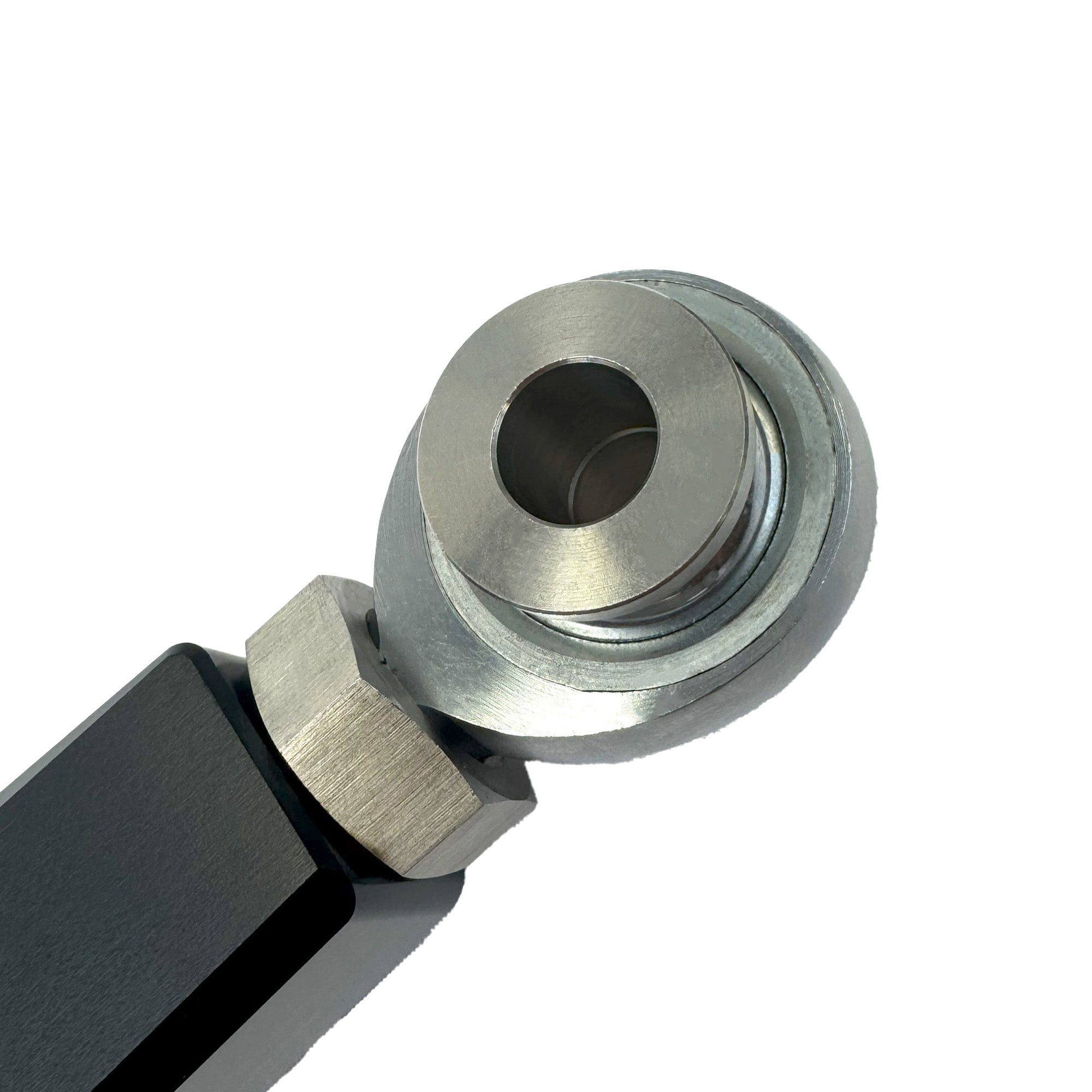
Then the Trail Gets Serious
A smooth dirt road doesn't demand the same thing from a suspension system as a rocky technical trail or a high-speed desert run.
When a UTV hits a large obstacle, the suspension absorbs the movement. When the vehicle lands after a jump, the components experience another sudden load. During aggressive cornering, braking, or acceleration, forces move through the suspension in different directions.
Now add larger tires, a lift, increased suspension travel, or a driving style that regularly pushes the machine toward its limits.
The suspension isn't simply moving.
It is working constantly to keep the vehicle controlled.
That is when components such as radius rods become increasingly important.
Why Factory Components May Not Always Match the Build
Factory components are engineered around a particular vehicle configuration and intended use. That doesn't mean they are weak or unsuitable for normal riding.
The situation changes when the vehicle itself changes.
A UTV built for aggressive trail riding or racing may have different tires, suspension geometry, ride height, and power compared with a stock machine. Those modifications can change the loads and movements experienced by suspension components.
This is why experienced builders don't look at suspension upgrades individually.
A long-travel suspension system, for example, changes how far and how frequently the suspension can move. Larger tires can change the forces acting through the suspension. Aggressive driving can increase the intensity of those forces.
The stronger the build becomes, the more important it is to consider the components supporting that build.
Where XHD Radius Rod Race Spec Fits In
This is where XHD Radius Rod Race Spec becomes relevant for performance-focused UTV builds.
Race-spec components are designed around the reality that some vehicles aren't being driven gently. They are being pushed through aggressive terrain, hard cornering, rapid suspension movement, and repeated impacts.
An XHD Radius Rod Race Spec setup can be considered as part of a suspension system built for riders who demand more from their UTV than ordinary recreational use.
The important point isn't simply that a component carries a "Race Spec" label.
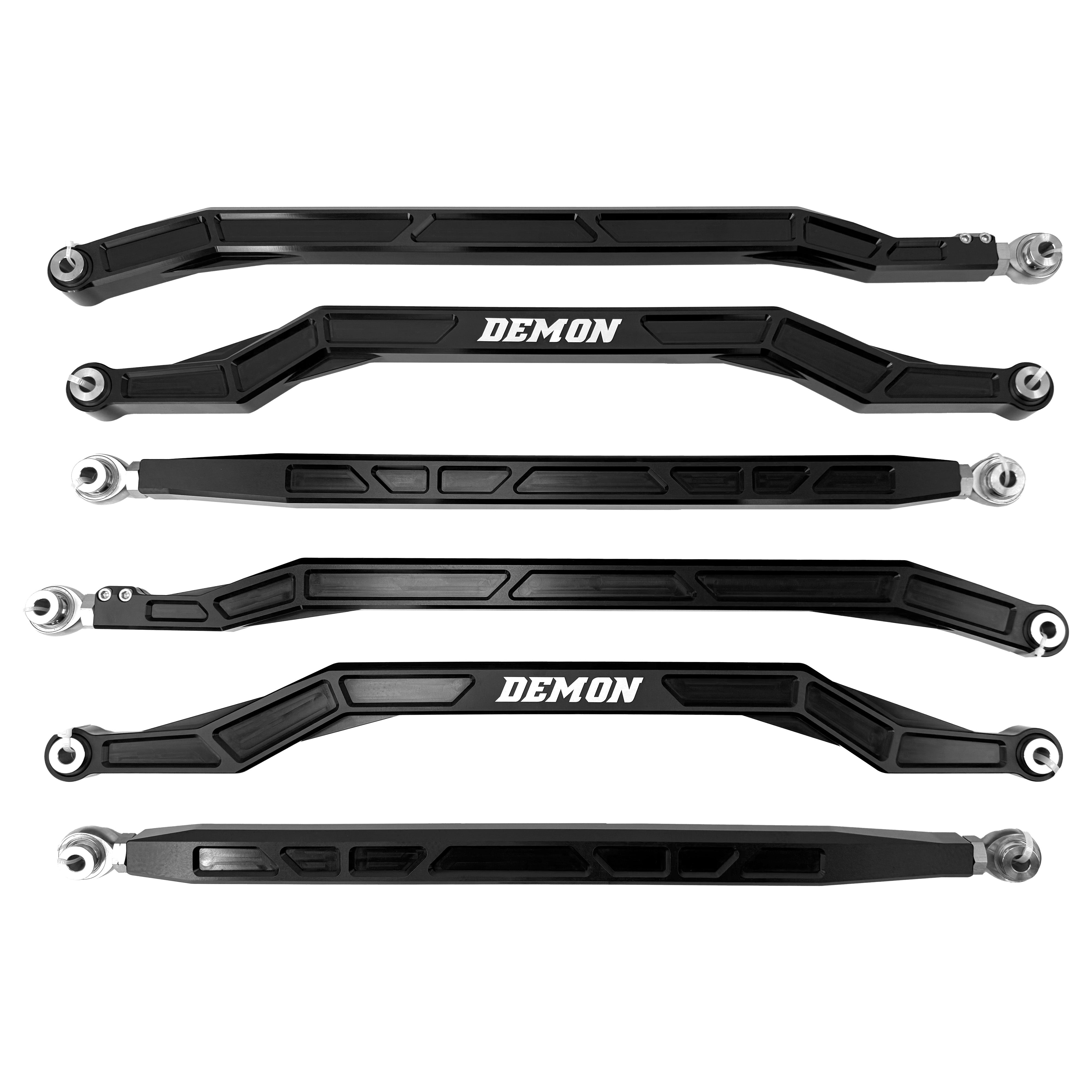
It's understanding why the component is being used and what the rest of the vehicle is asking it to do.
A suspension upgrade should make sense as part of the complete build rather than being treated as an isolated modification.
Your Suspension Doesn't Get a Break
Think about a difficult trail from the perspective of the suspension.
The front wheels climb an obstacle. The rear wheels follow. One side drops into a rut while the opposite side rises. The driver turns sharply to avoid a rock, then accelerates toward the next section.
All of those movements happen quickly.
The suspension has to respond while maintaining control of the vehicle.
That is why suspension components deserve attention before they become a problem. A rider may notice a tire, wheel, shock, or lift kit immediately, but components such as radius rods are easy to overlook because their importance becomes obvious only when something isn't working correctly.
Build the UTV Around How You Actually Ride
There is no single suspension setup that is perfect for every UTV.
A machine used for casual trail riding has different requirements from one built for desert racing, aggressive rock trails, or high-speed off-road driving.
The right approach is to look at the entire vehicle.
What tires are you running? How much suspension travel do you have? Is the machine lifted? How aggressively do you ride? Are you regularly hitting terrain that puts repeated loads through the suspension?
Those questions matter because every modification becomes part of the same system.
When the Trail Fights Back
The next time your UTV tackles a rough section of trail, remember that the suspension isn't simply absorbing bumps.
It is controlling the relationship between the wheels and the chassis while the terrain constantly tries to disrupt that balance.
And somewhere underneath you, the radius rods are helping make that possible.
For riders who push their machines into more demanding environments, XHD Radius Rod Race Spec represents one part of a larger idea: building the suspension around the way the UTV is actually going to be used.
Because when the trail gets rough, the question isn't whether your suspension will take a hit.
It will. The real question is whether your suspension components are ready when it does.


