





Every September, the off-road world gets a little louder in Costa Mesa, California. The Sand Sports Super Show (SSSS) brings together UTV and ATV enthusiasts, manufacturers, builders, racers, and off-road brands for one of the biggest gatherings in the sand sports industry.
Taking place September 18–20, 2026, at the OC Fair & Event Center, the show is more than a place to look at new machines and aftermarket parts. It offers a glimpse into where off-road performance is heading. From powerful UTVs to long-travel suspension systems and purpose-built dune machines, the builds on display show how riders are continually pushing the limits of what these vehicles can do.
And when suspension travel gets bigger and performance gets more serious, one question becomes increasingly important:

Walk through a major off-road show and it quickly becomes obvious that riders aren't stopping with factory specifications.
Larger tires, upgraded suspension, increased ground clearance, stronger steering components, and long-travel systems have become common parts of high-performance UTV builds. Manufacturers such as Can-Am, Polaris and other major powersports brands continue developing machines aimed at riders who want more capability on the dunes and trails.
The Sand Sports Super Show brings that entire ecosystem together, giving enthusiasts an opportunity to see how different parts of a UTV build work together.
A powerful engine may create the excitement, but performance doesn't end at the engine.
Long-travel suspension is one of the most recognizable upgrades on a serious high-performance UTV.
The concept is simple: allow the wheels to move farther while giving the vehicle greater capability over rough terrain. In the dunes, that additional suspension movement can help a UTV absorb changing terrain while maintaining control and momentum.
But increasing suspension travel doesn't happen in isolation.
When suspension geometry changes, the operating conditions of connected components can change as well. The axle has to accommodate the movement while continuing to transfer power from the drivetrain to the wheels.
That's why the axle deserves attention when building a long-travel UTV.
It is easy to focus on the parts you can immediately see.
A massive set of tires looks impressive. A long-travel suspension system completely changes the stance of a machine. A powerful engine gets everyone's attention.
The axle, however, works quietly between them.
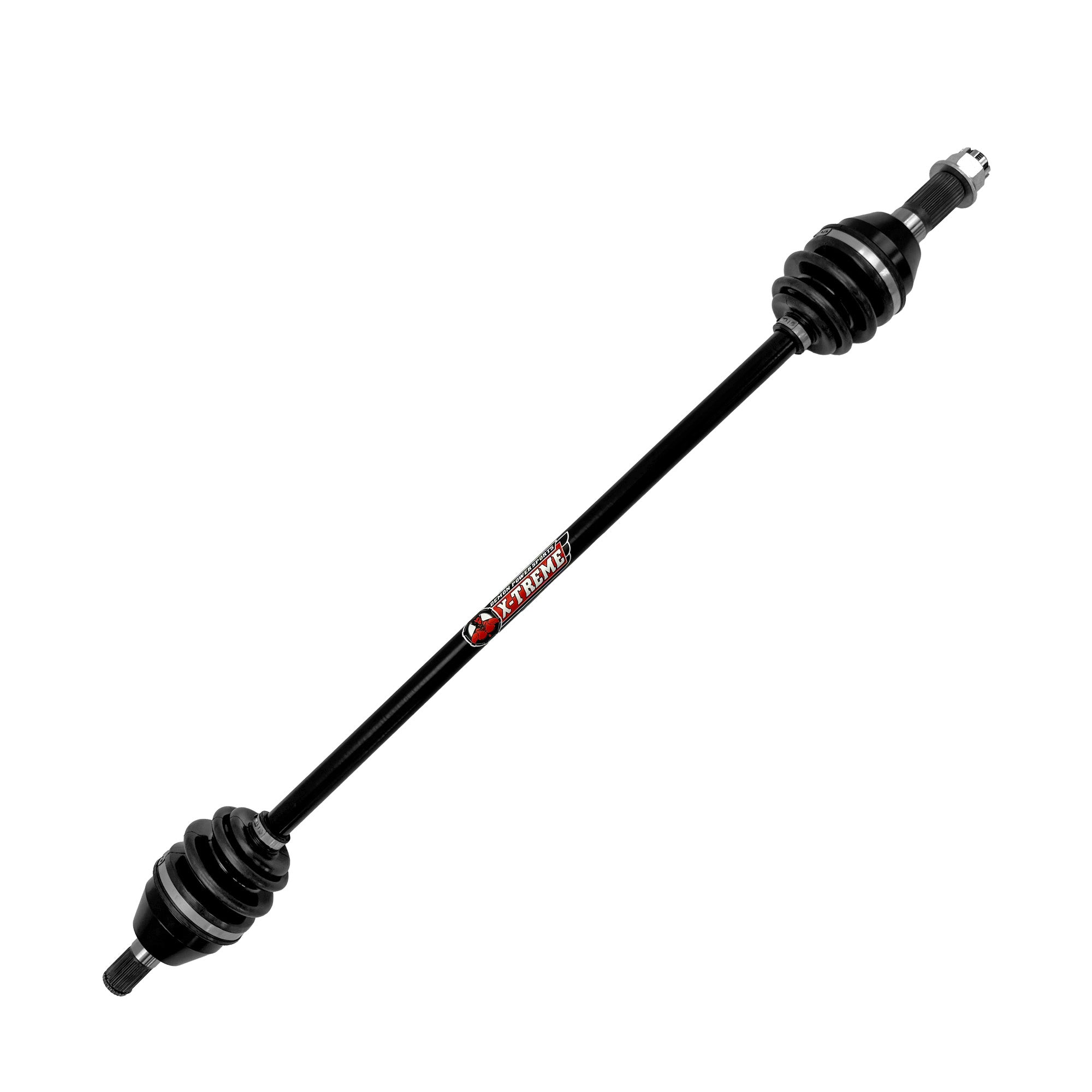
With a long-travel setup, axle length and operating angles become important considerations because the wheels can travel farther from their original position. A component designed for a stock configuration may not necessarily be the right choice for every modified setup.
This is where a purpose-built Xtreme Heavy Duty Long Travel Axle can make sense for riders building their UTV around long-travel suspension.
The goal isn't simply to add another heavy-duty component. It's to match the axle to a UTV that has been modified to operate differently from its factory configuration.
The Sand Sports Super Show also highlights another side of the off-road world: racing.
Race-oriented UTVs aren't built around the same priorities as a machine used for casual trail riding. Every part of the vehicle is expected to work through aggressive acceleration, hard landings, rapid suspension movement, and repeated punishment.
That is where the conversation moves from simply having long-travel suspension to building a machine specifically for aggressive performance.
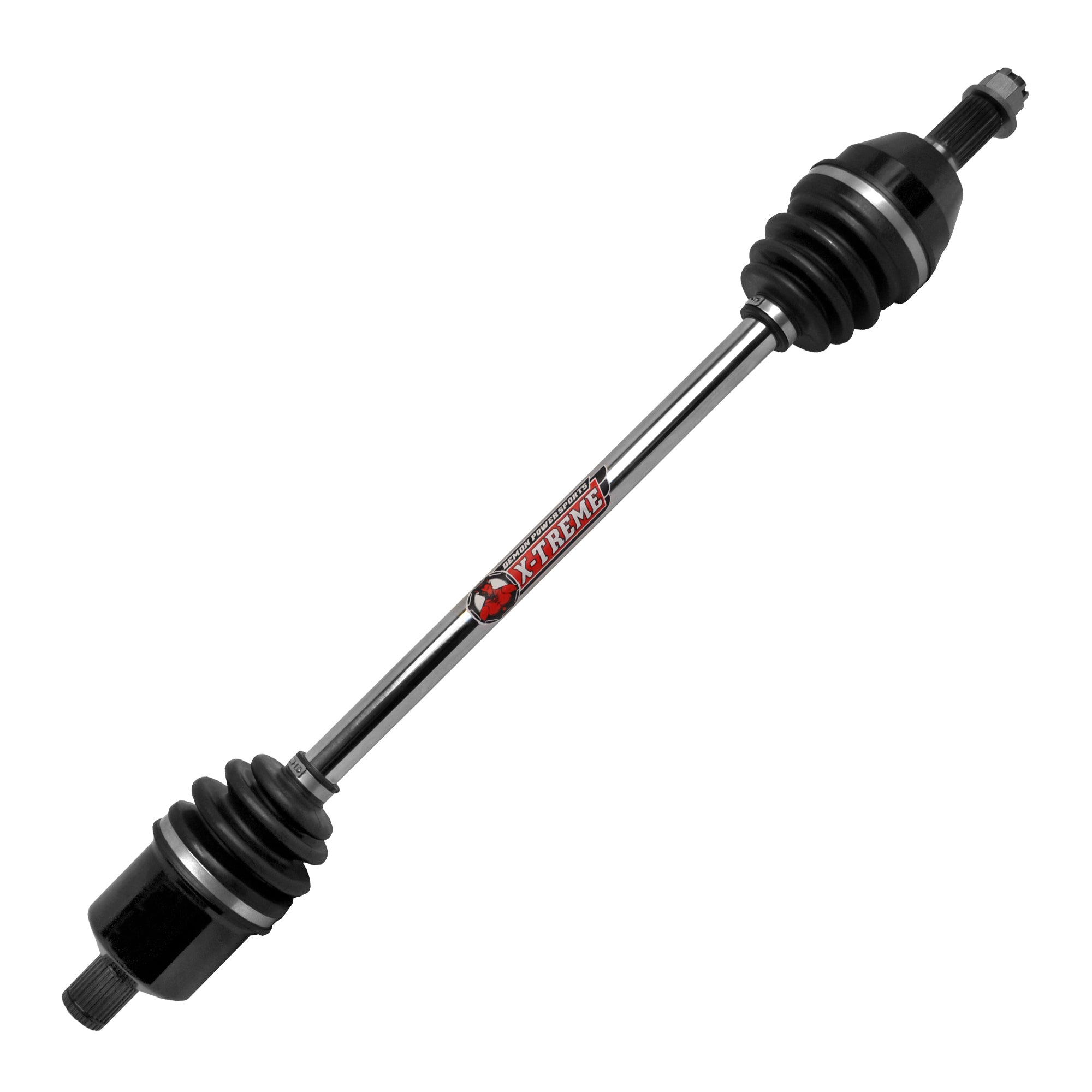
For this type of setup, the Xtreme Heavy Duty Long Travel Axle Race Spec provides a natural fit within the conversation.
The Race Spec approach is aimed at riders who want their axle choice to reflect the demands of a more aggressive, performance-focused build.
One of the most interesting things about events like SSSS is that no single component tells the whole story.
A long-travel suspension system affects axle requirements. Larger tires can change drivetrain demands. More power can increase the loads placed on the components transferring that power to the ground.
That means the future of UTV performance isn't simply about making one component stronger.
It's about building the entire machine around how it will actually be ridden.
This is also why industry events matter. By bringing manufacturers, builders, racers, and riders together, shows like the Sand Sports Super Show create a place where new ideas and different approaches to UTV performance can be seen side by side.
The future of high-performance UTVs will likely continue moving toward more capable suspension systems, stronger components, smarter designs, and machines built for increasingly demanding environments.
But the biggest lesson from the Sand Sports Super Show may be simpler than that.
Performance is a chain.
The engine creates power. The suspension controls movement. The tires find traction. The drivetrain transfers power. And the axles have to keep that entire system connected to the wheels.
When one part of the build changes, the rest of the machine has to be considered too.
That is what makes the Sand Sports Super Show so interesting for off-road enthusiasts. It isn't simply showing riders what UTVs look like today.
It gives them a preview of what they might be building tomorrow.
Leave a comment