




The Sand Sports Super Show is here, bringing ATV and UTV enthusiasts together in Costa Mesa, California, from September 18-20, 2026. With hundreds of exhibitors, thousands of off-road enthusiasts, and everything from ATVs and UTVs to performance parts and accessories, it is one of the biggest events on the off-road calendar.
But before you load up your machine and head out for a day of riding, take a few minutes to inspect the parts that keep your ATV or UTV moving, steering, and stopping safely. A quick pre-ride inspection can help you spot worn or damaged components before they turn into bigger problems.
Here are the key areas to check today.
Start with the basics. Check every tire for cuts, punctures, excessive wear, or objects stuck in the tread. Verify that tire pressure matches your vehicle manufacturer's recommended specifications.
Next, look closely at the wheels. Check for bent or cracked rims and make sure the lug nuts and other wheel fasteners are secure.
Tires and wheels take constant abuse on sand, rocks, trails, and rough terrain, so they deserve a close inspection before every serious ride.
Your steering components are critical when you're riding aggressively or navigating tight trails.
Turn the handlebars or steering wheel from side to side and make sure the steering moves smoothly without unusual resistance. Look for excessive play, looseness, damaged boots, or movement around the tie rod ends.
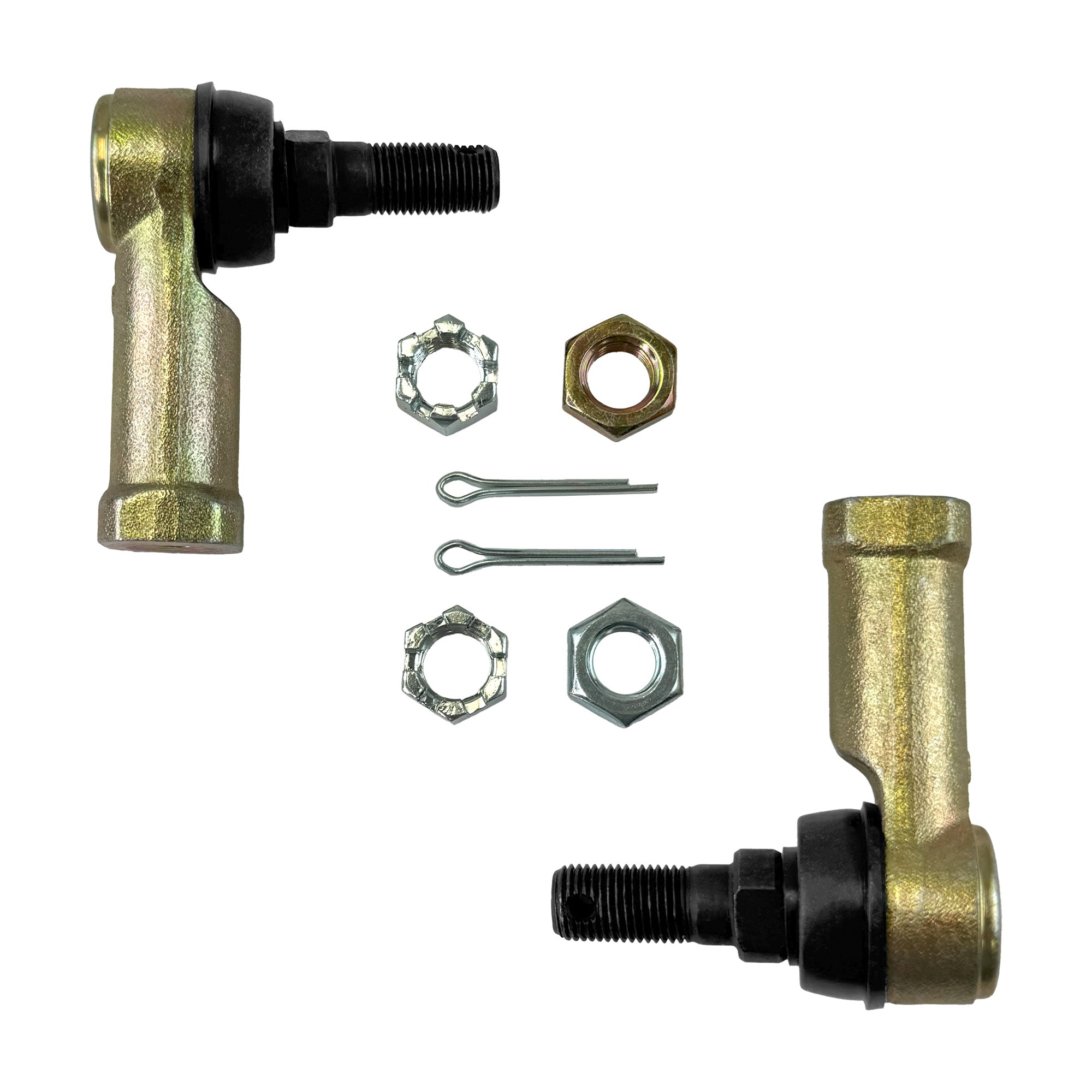
A worn tie rod end can affect steering response and handling. If you notice unusual movement, clunking, or looseness, inspect the steering components before riding.
Polaris' pre-ride inspection guidance specifically recommends checking that steering operates freely.
For riders who regularly run larger tires, ride aggressively, or put their machines through demanding terrain, inspecting tie rods becomes even more important.
Your ATV or UTV axles transfer power to the wheels, making them one of the most important drivetrain components to inspect.
Look for bent or damaged axles and check the CV boots for cracks, tears, or missing clamps. A damaged CV boot can allow dirt, sand, and water to reach the CV joint and accelerate wear.
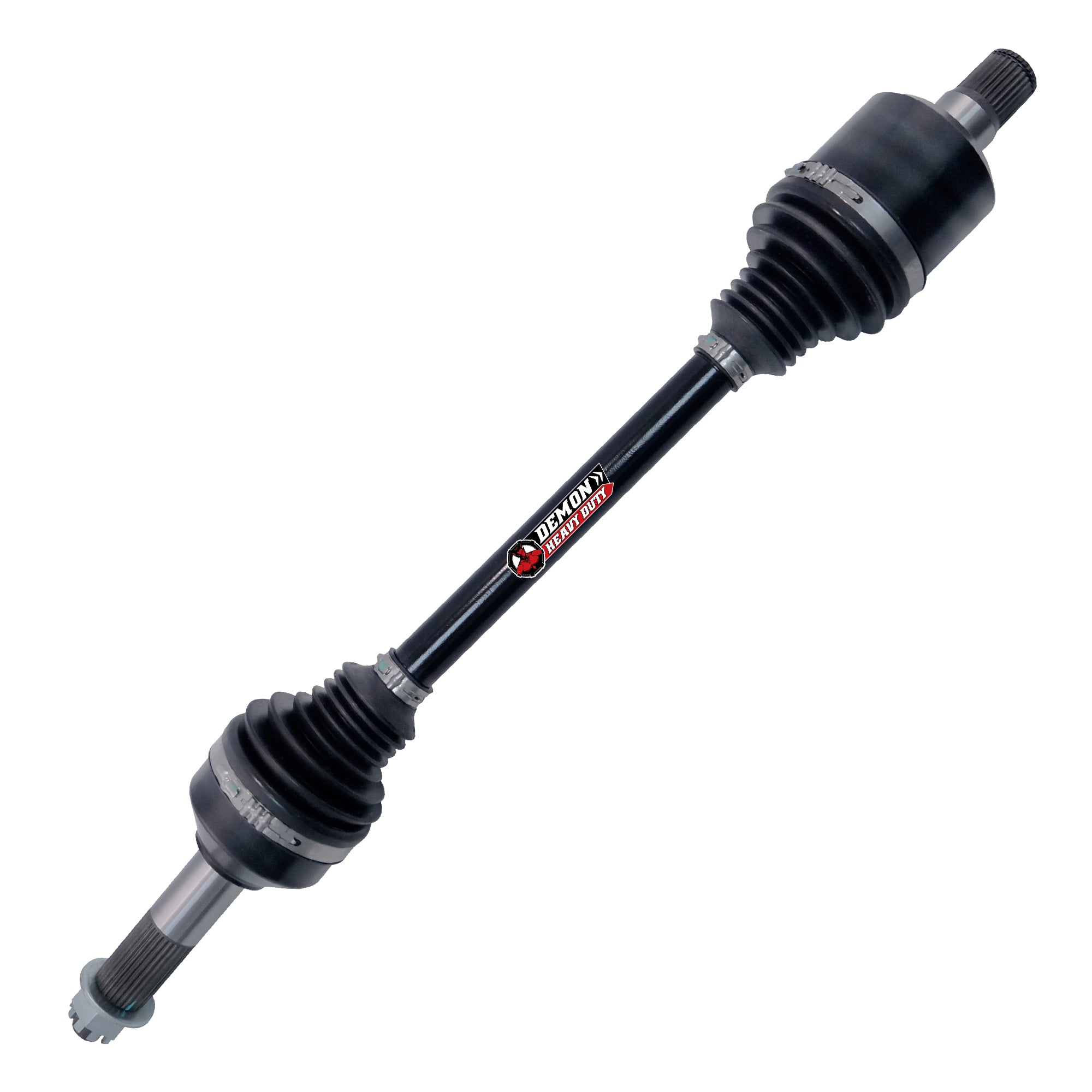
If you see grease around a damaged boot, don't ignore it. Finding the problem early can help prevent more extensive drivetrain damage.
Before riding, inspect your suspension for visible damage, loose hardware, leaking shocks, or worn components.
Pay particular attention to ball joints, control arms, bushings, and other suspension connections. Grab the wheel and check for unusual movement if your owner's manual recommends this type of inspection.
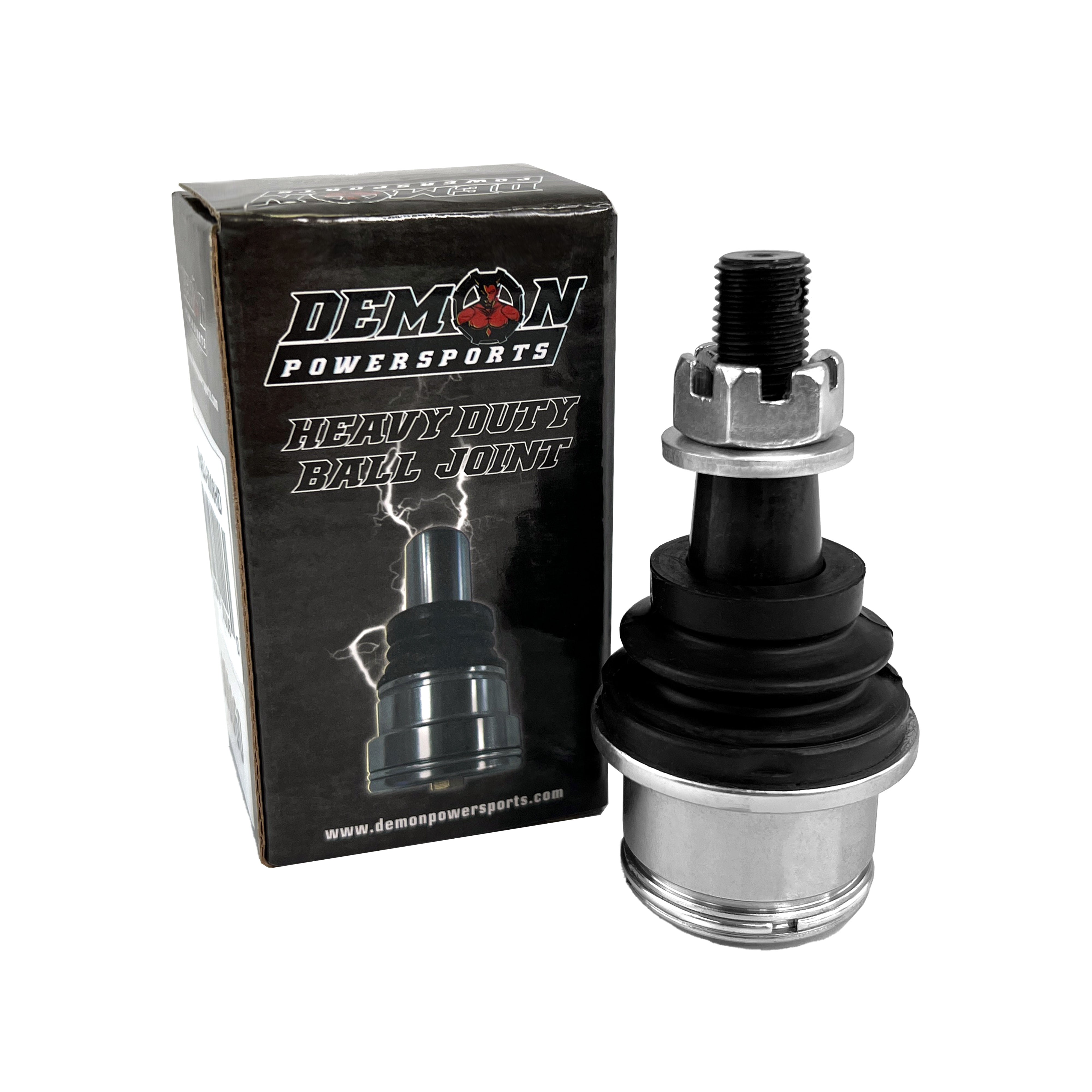
Your suspension has to absorb impacts while keeping the vehicle controlled, so worn components can affect both handling and ride quality.
Don't forget the system responsible for bringing you to a stop.
Check the brake lever or pedal for proper operation and make sure the brake fluid is at the correct level if your vehicle uses hydraulic brakes. Look for obvious leaks and inspect brake pads when accessible.
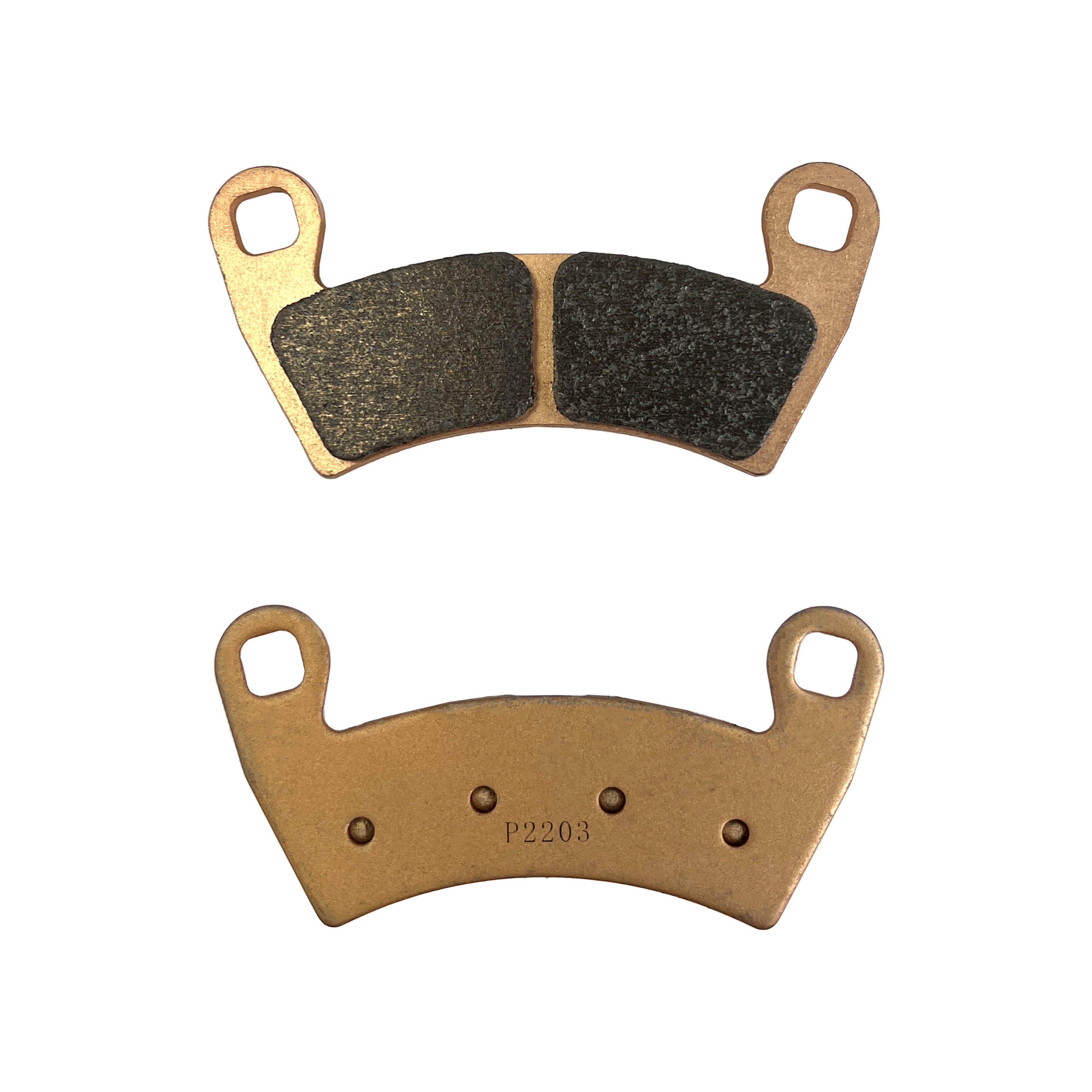
Polaris pre-ride checklist includes brake operation, brake fluid, and brake pad condition among the areas riders should inspect before use.
If the brake pedal feels unusually soft or stopping performance has changed, investigate the problem before heading out.
Check engine oil and coolant levels according to your owner's manual. Look around hoses and connections for signs of leaks.
Your air intake also deserves attention, especially if you're riding in dusty or sandy conditions. Inspect the air filter and pre-filter where equipped, and remove accumulated debris.
Sand and dust can quickly become a problem for an off-road machine if the intake system isn't maintained properly.
Walk around the ATV or UTV and look for loose bolts, nuts, fasteners, guards, and other hardware.
Don't forget accessories you've added yourself. Aftermarket bumpers, skid plates, doors, light bars, winches, suspension components, and other upgrades should all be checked for secure mounting.
Polaris' pre-ride inspection guidance also includes checking wheels, fasteners, frame hardware, and other components for proper tightness.
Your ATV or UTV isn't the only thing that needs a pre-ride check.
Make sure your helmet, goggles, gloves, boots, and protective riding gear are ready to go. For UTVs, inspect seat belts, doors, nets, and latches before riding.
The Sand Sports Super Show is all about off-road performance, new products, and the machines riders love. The 2026 event also includes live demonstrations, exhibitors, show specials, and performance-focused displays.
Before you head out today, give your ATV or UTV a few extra minutes of attention. Check the tires, steering, tie rod ends, axles, CV boots, ball joints, suspension, brakes, fluids, and fasteners.
A few minutes in the garage can make a big difference once you're on the trail.
Leave a comment