

Picture this: You’re carving a high-speed sand dune or weaving through a tight, rocky mountain trail. Adrenaline is pumping, you spot a sharp line, and you crank the steering wheel hard to clear a massive boulder. But instead of cutting clean, the steering wheel suddenly feels loose, sloppy, or—worst of all—goes completely limp. Your front tire catches a rut, and you’re left wrestling a machine that refuses to go where you point it.
Welcome to every off-roader's nightmare: a snapped or bent tie rod.
Factory steering components are built to handle casual Sunday drives, but the moment you push your side-by-side hard, they fold like a cheap lawn chair. If you are tired of losing steering control on the trail, it’s time to look at the head-to-head comparison between flimsy factory parts and a true Rugged Tie Rod End upgrade.
The Anatomy of Steering Failure: Why OEM Tie Rods Bend
Your factory tie rods are the literal bridge between your steering rack and your front wheels. Every time you slam into a rock, land a jump, or power through heavy mud, massive shockwaves travel directly through those slender factory metal shafts and ball joints. Here is why OEM steering parts fail so quickly:
-
-
Thin-Walled Tubing & Weak Joints: Stock tie rods are often made from lightweight, thin-walled aluminum or mild steel designed to save manufacturing costs, not to survive extreme off-road abuse.
-
The Oversized Tire Penalty: Upgrading to 32-inch or 35-inch mud tires adds immense weight and leverage. Every time you turn those heavy tires against resistance, factory ball and socket joints stretch, wear out, and develop dangerous play.
-
The Tapered Joint Trap: OEM ball joints inside the tie rod ends have a tiny footprint that easily snaps under lateral stress, leaving you stranded with a wheel pointing completely sideways.
-
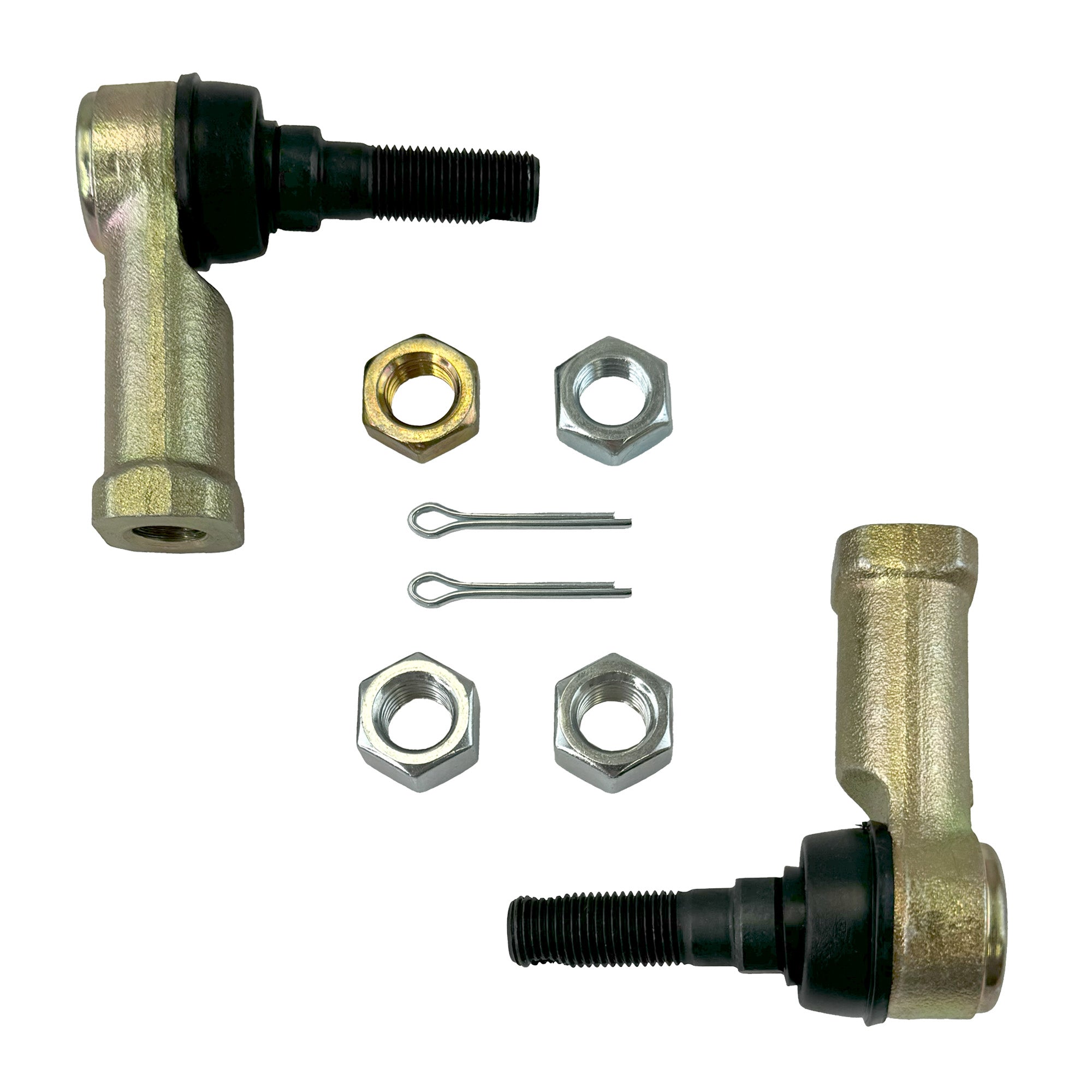
OEM vs. Rugged Tie Rod Ends: Head-to-Head
When you upgrade to aftermarket steering components engineered for real abuse, the difference in material strength and design is night and day.
Material and Build Quality
-
OEM: Cast aluminum or thin steel tubing that bends easily upon heavy impact.
-
Rugged Tie Rods: Constructed from heavy-duty, high-strength chromoly steel or thick billet aluminum housings designed to absorb brutal impacts without warping.
Joint Strength & Articulation
-
OEM: Small, plastic-lined factory ball joints that wear out quickly, creating sloppy steering play.
-
Rugged Tie Rod Ends: Oversized, heat-treated steel ball joints and heavy-duty sockets that provide maximum articulation while eliminating steering slop entirely.
Serviceability
-
OEM: Sealed, non-serviceable factory units that must be entirely replaced the moment they wear out.
-
Rugged Design: Built for longevity with robust grease zerks or self-lubricating designs that let you flush out dirt and maintain peak performance ride after ride.
3 Clear Signs Your Tie Rod Ends Are About to Fail
Don’t wait until you're stranded miles deep in the backcountry. Your machine will usually give you warning signs before the steering completely gives out:
-
-
Vague or Sloppy Steering: If you have to turn the steering wheel an inch or two before the tires actually respond, your tie rod joints have excessive internal play.
-
The "Wandering" Side-by-Side: Your UTV pulls hard to one side or feels like it has a mind of its own on straightaways, forcing constant steering corrections.
-
Clunking or Ticking Noises: Hearing a metallic pop or clunk when turning the steering wheel from lock to lock while parked.
-
Take Back Total Control of Your Machine
A broken tie rod can turn an epic weekend trip into an expensive towing nightmare. Upgrading to heavy-duty steering components ensures your rig tracks straight, turns sharp, and handles whatever brutal terrain you throw at it.
Upgrade your machine with rugged off-road parts at Demon Powersports today so you can drive with absolute confidence through the roughest trails on the map.


