

Most off-road riders spend time thinking about horsepower, tires, suspension, and ground clearance. But one setup change that riders often overlook is overall machine width.
It usually becomes noticeable only after the riding gets more demanding.
A machine that feels perfectly fine on normal trails may start feeling less stable once oversized tires, mud, deep ruts, rocky climbs, or uneven terrain become part of regular riding. Suddenly the machine feels different in corners, more reactive on side hills, or harder to place exactly where you want it.
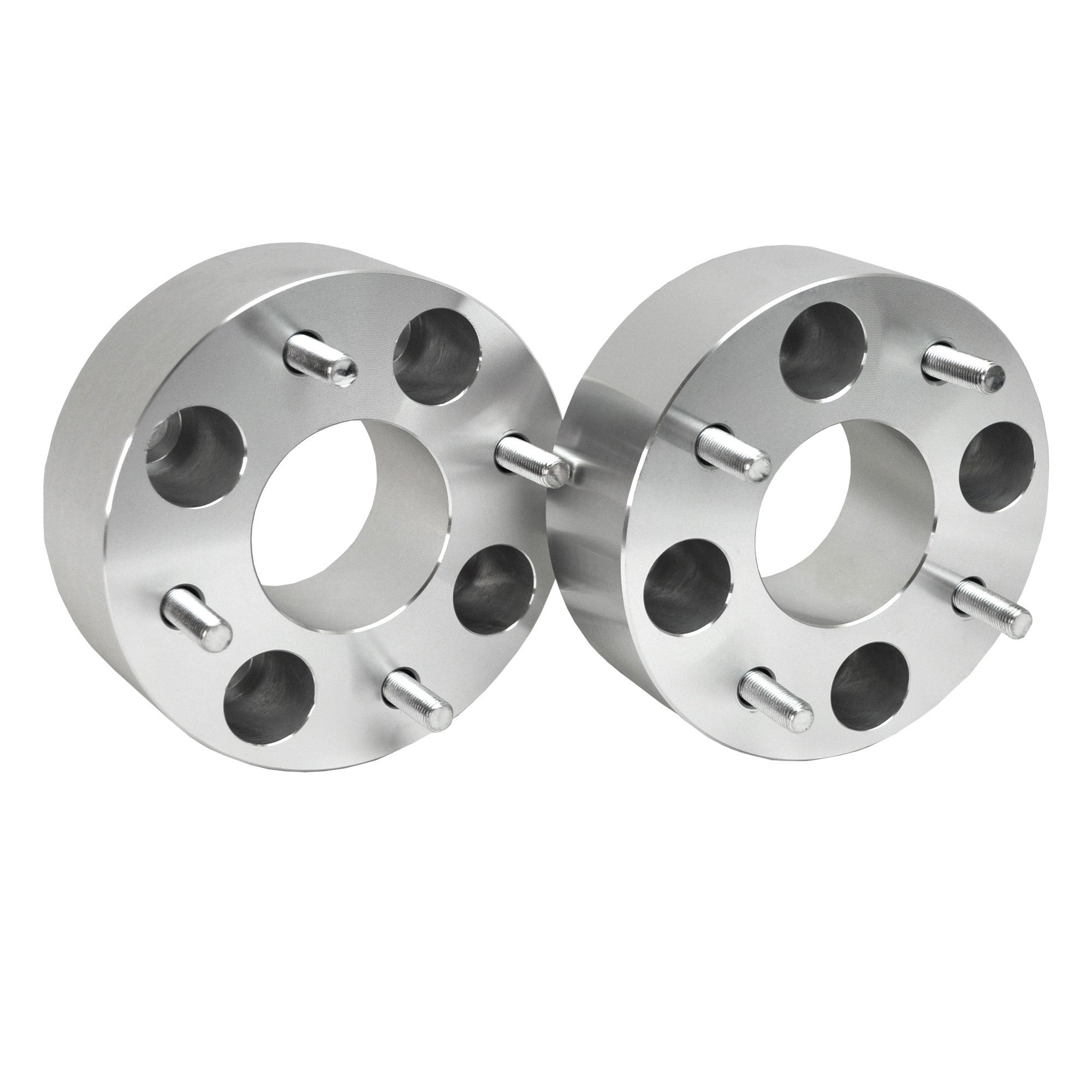
That is where wheel spacers start becoming part of the conversation. But are wheel spacers actually better than staying stock width?
The answer depends less on appearance and more on how your machine is used.
Wheel Spacer options for Polaris & Can-Am
Why Stock Width Works Well for Most Riders
Factory width exists for a reason.
Manufacturers design ATV and UTV suspension around a balance of steering feel, ride comfort, turning radius, and overall stability. For casual trail riding and stock tire setups, factory width usually delivers a predictable experience.
That balance works well because most machines leave the factory expecting moderate riding conditions.
If your riding mostly includes maintained trails, average speeds, and standard tire sizes, stock width may already be giving you everything you need.

But riding styles change.
Many riders eventually install larger tires, ride more aggressive terrain, or start looking for more confidence from the machine. That is usually when stock width begins feeling different than expected.
Not bad.
Just not optimized for the way the machine is now being used.
Why Off-Road Conditions Change the Conversation
Off-road terrain loads a machine differently than smooth trails.
Mud creates resistance.
Ruts pull tires into uneven lines.
Rock sections constantly shift weight.
Uneven terrain changes how the suspension reacts.
These conditions expose characteristics riders may never notice during normal riding.
A narrow-feeling machine can sometimes require more steering correction or feel less composed when terrain becomes unpredictable.
That does not automatically mean something is wrong.
It simply means the setup may no longer match the conditions.
This is one reason riders begin exploring wheel spacers.
What Wheel Spacers Actually Change
Wheel spacers move the wheels outward from the hub and increase overall track width.
That sounds like a simple change, but the effect riders often notice is not appearance first—it is how the machine behaves.
A wider stance can help the machine feel more planted in certain riding conditions.
Many riders report improvements in situations such as:
- Deep ruts
- Uneven trails
- Wider tire setups
- Technical terrain
- Mud riding
The goal is not creating the widest machine possible.
The goal is creating a setup that feels more natural and controlled for the type of terrain being ridden.
That difference becomes more noticeable as riding intensity increases.
When Wheel Spacers Start Making More Sense
Wheel spacers are not necessary for every machine.
But there are situations where riders commonly consider them.
Oversized tires are one of the biggest examples.
Larger tires improve clearance and traction, but they can also change steering feel and how weight transfers across the machine.
Similarly, riders who spend time in mud or rough terrain often want more confidence from the setup without completely changing suspension components.

Wheel spacers become attractive because they offer a relatively simple adjustment to overall stance.
For riders pushing beyond stock conditions, small setup changes sometimes create bigger riding improvements than expected.
Does Wider Always Perform Better?
Not always.
This is where choosing based on riding style matters.
Extra width can feel beneficial in open terrain, rough sections, and conditions where stability becomes more important.
But riders using narrow wooded trails or tighter spaces may prefer the original dimensions.
Performance is not simply about maximizing one measurement.
It is about creating balance.
The strongest setups usually come from understanding where the machine spends most of its time rather than copying someone else’s build.
Wheel Spacers and Long-Term Build Planning
One mistake riders sometimes make is treating upgrades separately.
In reality, machines work as systems.
Tires affect suspension.
Suspension affects steering.
Width affects handling feel.
As builds evolve, it becomes useful to think about how each change influences the next.
Wheel spacers are often part of that process because they help support a setup that already includes larger tires or more demanding riding conditions.
That does not mean every machine needs them.
But for the right rider and the right terrain, they can make the machine feel more composed and predictable.


