





Ask most riders what they remember after a mountain ride, and they probably won't start by talking about wheel bearings or ball joints.
They'll talk about the view.
They'll remember climbing a rocky trail, squeezing between trees, crossing a creek, or reaching a lookout where the entire mountain range suddenly opens in front of them. That's part of what makes the Rocky Mountain ATV/UTV Jamboree such an appealing event for off-road riders. It isn't just about getting behind the wheel. It's about spending days exploring challenging trails and seeing what the machine and the rider can accomplish together.
But while you're looking at the mountains, several components underneath your UTV are dealing with the terrain much closer.
And they rarely get the attention they deserve.
The Rocky Mountain ATV/UTV Jamboree takes riders into the Paiute Trail system around Richfield, Utah, where long trail rides expose machines to rocks, uneven terrain, elevation changes, and constantly changing surfaces.
For the driver, that means choosing lines and managing the throttle.
For the UTV, it means almost every part of the chassis and suspension is working continuously.
A tire drops into a rut. One side of the machine climbs over a rock. The suspension compresses and extends. The wheels change position while the drivetrain continues delivering power.
None of these moments may seem dramatic on their own.
After hours of riding, however, the accumulated stress becomes a very different story.
When a UTV is moving, the wheels need to rotate smoothly while supporting the weight of the vehicle and dealing with forces coming from the trail.
That's where wheel bearings quietly earn their place.
They don't have the visual appeal of a new set of tires or the excitement of additional horsepower, but they perform a fundamental job every time the vehicle moves. Rough terrain, impacts, contamination, and long hours of riding can all make wheel-bearing condition something worth paying attention to.

A bearing problem may not announce itself with a dramatic failure on the first mile.
Sometimes the warning signs are much more subtle: unusual play, noise, vibration, or a change in how the wheel feels during inspection.
That makes wheel bearings one of those components that are easy to forget—until they aren't.
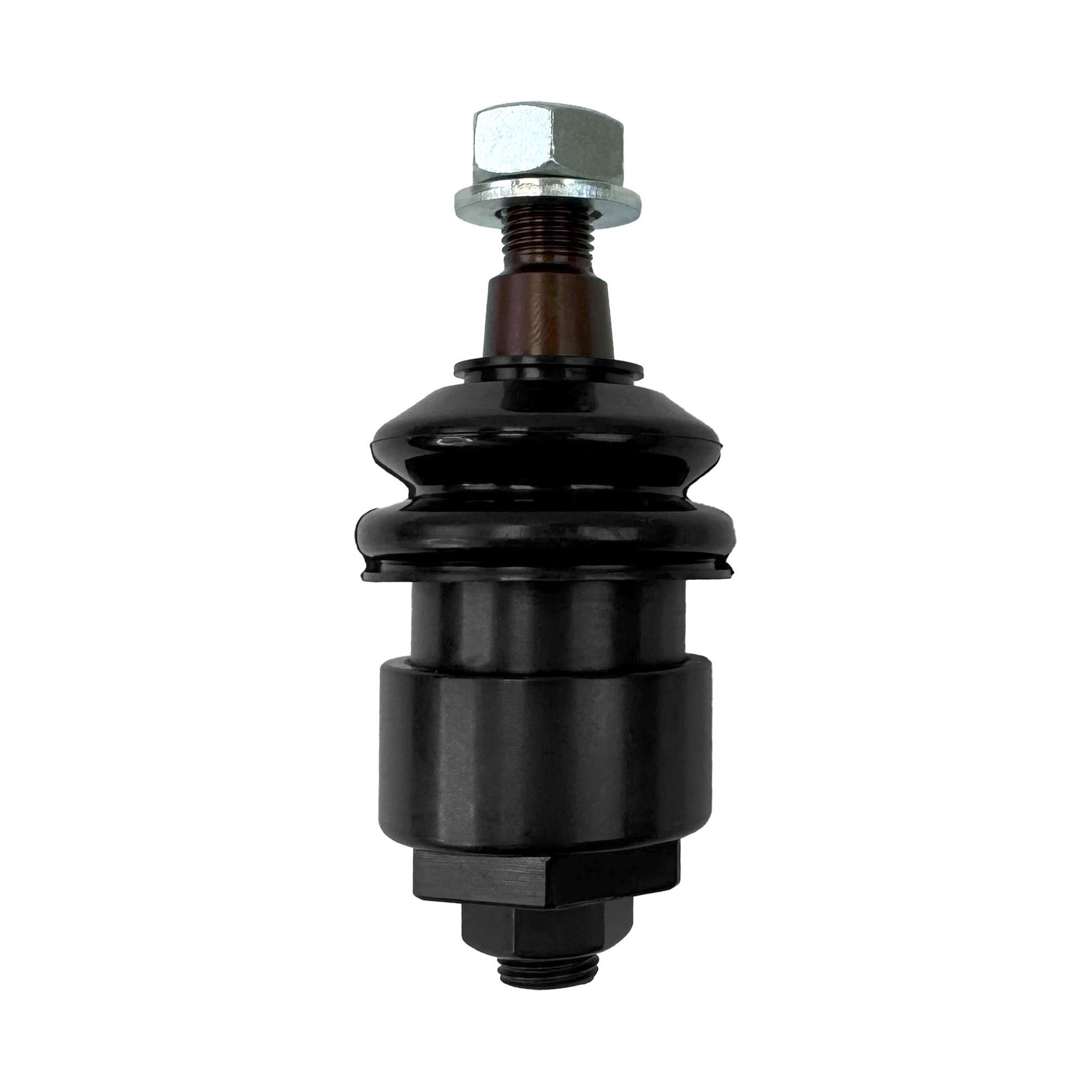
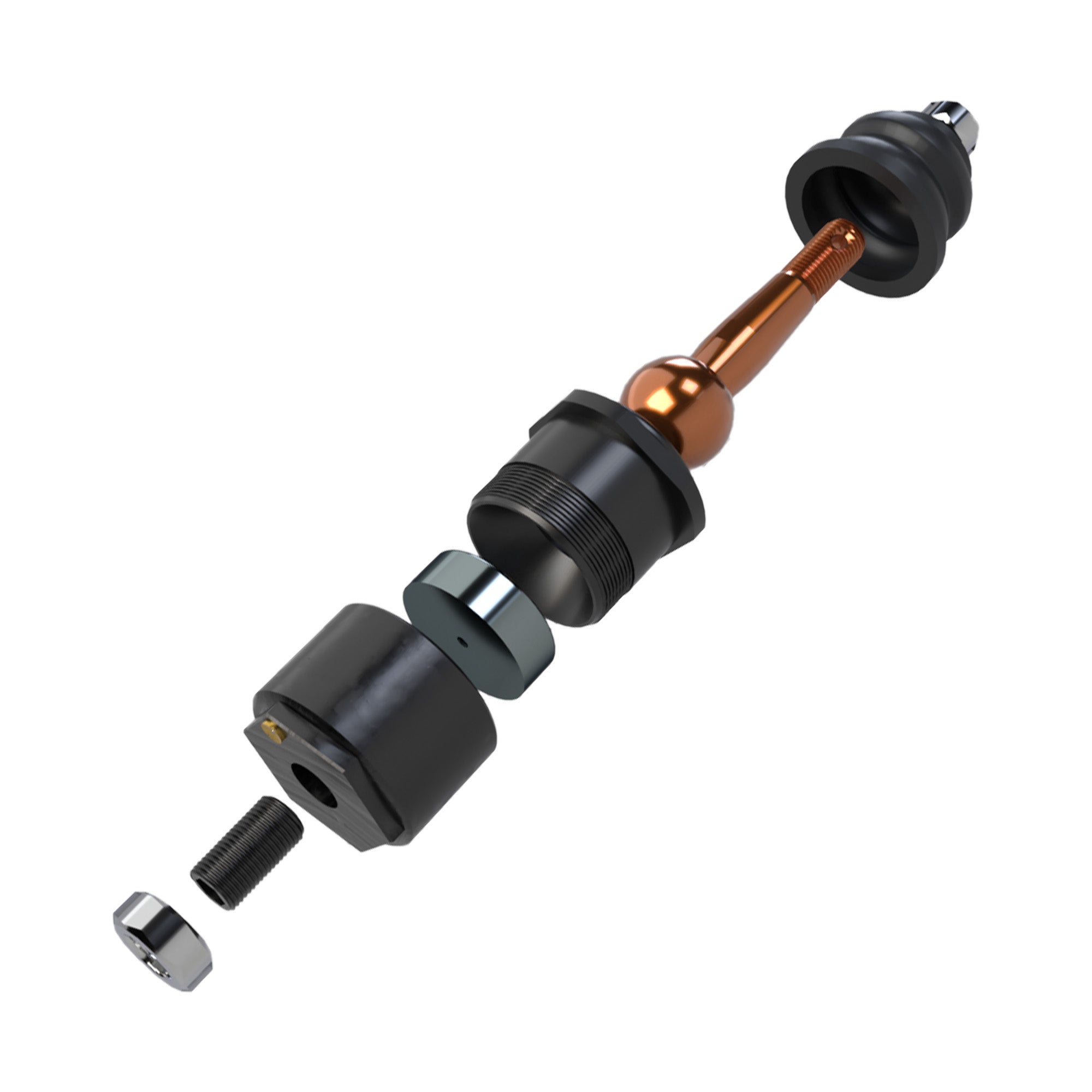
If wheel bearings are responsible for helping the wheels rotate properly, ball joints play an important role in connecting suspension and steering components while allowing the movement required as the wheels travel through uneven terrain.
Mountain trails can be particularly demanding because the suspension rarely stays in one position for long.
And the ball joints continue working through that movement.
For riders who regularly take their UTV onto rocky trails or run modified machines, XHD Ball Joints Race Spec can become an important consideration when building around demanding riding conditions.
The goal isn't simply to install stronger parts because they look tougher. It's about matching the components to the way the vehicle is actually being used.
One of the biggest differences between a quick recreational ride and a full trail event is time.
Every rock, rut, turn, climb, and descent adds another movement to the suspension and another rotation to the wheels. By the end of a long day, components that seemed insignificant at the beginning have completed thousands of cycles.
That is why preparation matters.
Before heading into an event like the Rocky Mountain ATV/UTV Jamboree, checking wheel bearings for excessive play or unusual noise and inspecting ball joints and suspension components can help identify problems before they become problems on the trail.
And if you're running a heavily modified UTV, those checks become even more important.
Heavy-duty components aren't a substitute for maintenance.
Even the strongest wheel bearing or ball joint still needs proper installation, inspection, and care. Mud, dust, water, impacts, and repeated use can eventually affect any mechanical component.
The smartest riders understand both sides of the equation.
They choose components that suit their riding conditions, and they inspect those components regularly.
That combination can make the difference between spending the day exploring the trail and spending the afternoon trying to get back to camp.
The Rocky Mountain ATV/UTV Jamboree is about the experience: the trails, the scenery, the challenges, and the people you meet along the way.
But every great ride depends on dozens of mechanical components quietly doing their jobs.
What you probably won't remember are the wheel bearings turning beneath you or the ball joints moving every time the suspension reacted to the trail.
And that's exactly how those parts are supposed to be.
The best components often disappear into the background because they're doing their job while you focus on the ride.
That's what the Rocky Mountain ATV/UTV Jamboree ultimately reveals: sometimes the most important parts of an unforgettable trail day are the ones you never notice.
Leave a comment