

The Polaris RZR Turbo S is built for riders who enjoy pushing through demanding trails, rough terrain, and challenging off-road conditions. But every time you accelerate, the drivetrain has to transfer engine power smoothly to the wheels. One important component doing that job is the propeller shaft.
Because it works underneath the vehicle, it is easy to overlook until something starts feeling or sounding different. Vibration, clunking noises, or visible damage can all be reasons to inspect the shaft and its connected components. Knowing what to look for can help you address drivetrain problems before they interrupt your next ride.
What Does the Polaris RZR Turbo S Propeller Shaft Do?
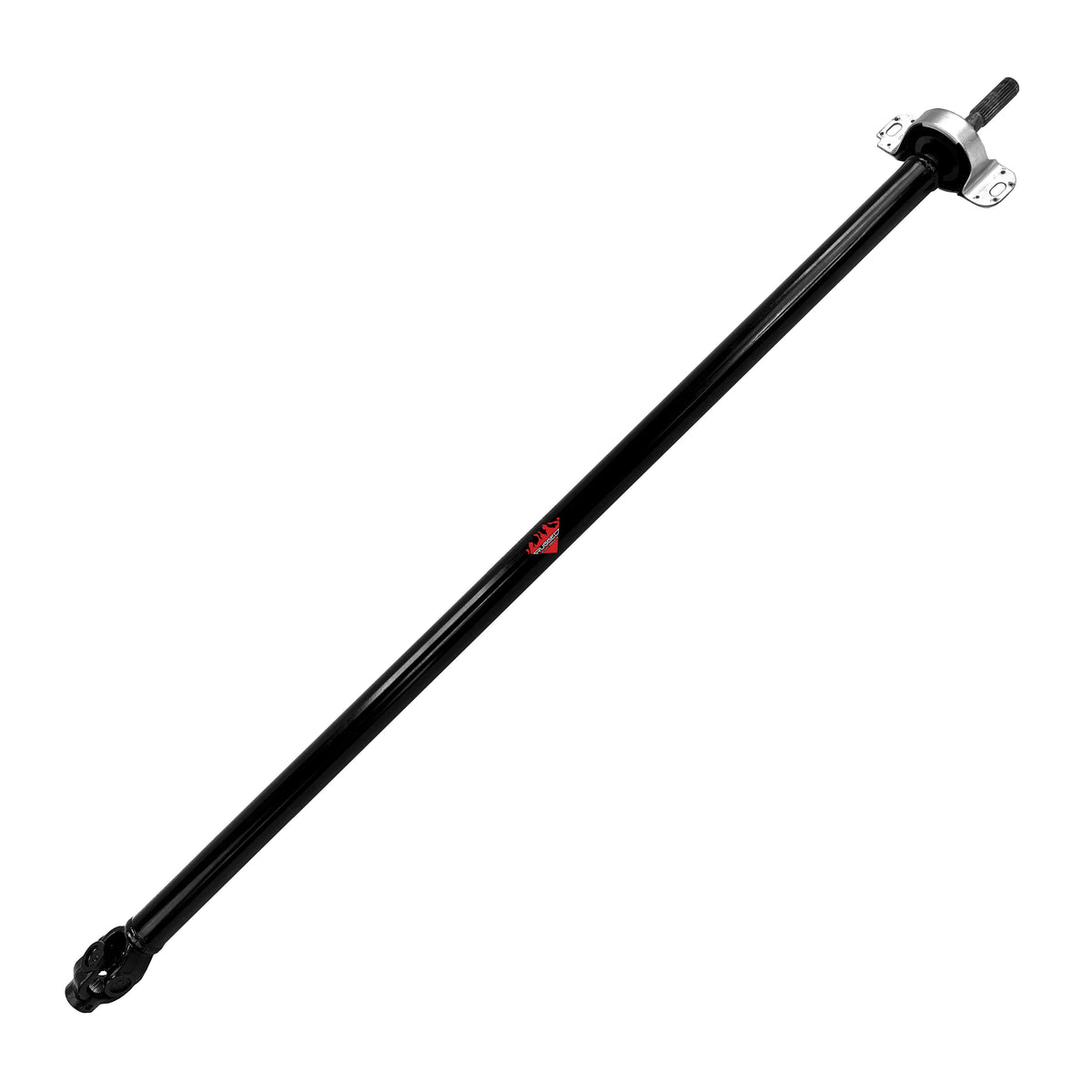
The propeller shaft, also called a drive shaft or prop shaft, transfers rotational power through the drivetrain between the transmission and a differential. It works with components such as U-joints, splines, and supporting bearings to keep power moving through the system.
On a Polaris RZR Turbo S, the front propeller shaft is an important part of the drivetrain. If the shaft or its joints become worn or damaged, you may notice changes in how the vehicle sounds or feels during acceleration and operation.
4 Signs Your RZR Turbo S Propeller Shaft May Be Worn
Recognizing early warning signs can help you decide when an inspection is needed.
1. Vibration Through the Floor or Chassis
Unusual vibration while accelerating or traveling at certain speeds may point to a drivetrain issue. A damaged or unbalanced propeller shaft, worn U-joints, or a problem with a supporting bearing can contribute to this feeling.
Pay attention if the vibration is new, becomes more noticeable, or changes with vehicle speed.
2. Clunking During Acceleration
A metallic clunk when accelerating, decelerating, or changing direction may indicate excessive movement in the drivetrain. Worn U-joints, loose connections, or damaged splines can create play that affects how power transfers through the shaft.
Have the source identified rather than assuming the propeller shaft is the only possible cause.
3. Grease Around the U-Joints
Grease around the shaft or near its joints may indicate a lubrication or joint-related problem. Check for damaged fittings, unusual grease buildup, and signs of wear.
If your replacement shaft has serviceable grease fittings, follow the manufacturer's lubrication recommendations.
4. Visible Shaft or Joint Damage
Inspect accessible areas for dents, bends, corrosion, damaged yokes, or excessive joint movement. A shaft that is visibly bent or has damaged connection points should not be ignored.
If you find structural damage, avoid continuing to ride until the drivetrain has been inspected.
When Should You Replace the Propeller Shaft?
Not every unusual noise means the complete shaft needs replacement. Sometimes the issue may be related to a U-joint, carrier bearing, mounting point, or another drivetrain component.
However, replacement may be necessary when the shaft is bent, cracked, or has damaged connection points. Excessive U-joint play, binding, or persistent vibration after other possible causes have been checked are also reasons to have the assembly evaluated.
Choosing a Replacement for Your Polaris RZR Turbo S
When replacing a propeller shaft, correct fitment should come first. Check your RZR Turbo S model year, trim, shaft position, and the required part number before ordering.
The Rugged Polaris RZR Turbo S Propeller Shaft is designed as a direct OEM-style replacement. The listed features include:
-
Heat-treated steel construction
-
Black powder-coated finish for added protection
-
Precision CNC-machined design
-
Phased and balanced construction
-
Greasable heavy-duty U-joints that can be replaced when needed
-
One-year limited warranty
Don't Overlook the Rest of Your Drivetrain
A propeller shaft does not work alone. The carrier bearing, U-joints, mounting points, and connected drivetrain components should also be inspected when diagnosing vibration or unusual noises.
If your RZR Turbo S has vibration around the shaft support area, take a look at the Polaris RZR Turbo S Demon Carrier Bearing as part of your inspection.
Keep Your RZR Turbo S Ready for the Next Ride
A worn or damaged propeller shaft can affect how your RZR Turbo S transfers power and operates on the trail. Paying attention to vibration, clunking, grease buildup, and visible damage gives you a better chance of catching problems early.
Inspect the complete drivetrain, confirm the correct front shaft fitment, and choose a replacement that matches your machine. With the right parts and regular maintenance, you can spend less time dealing with unexpected drivetrain issues and more time enjoying the ride.


