

There is a moment almost every serious rider experiences.
Oversized Tires and Deep Mud Destroy CV Joints Faster Than Riders Expect, Why?
The build finally looks right. Bigger tires are installed. Ground clearance feels better. The machine looks more aggressive and feels ready for anything.
Then one muddy weekend changes everything.
The machine still has power. The tires still spin. But suddenly something feels wrong underneath. Maybe the front end starts clicking. Maybe grease appears where it should not. Maybe acceleration feels rough. Maybe one wheel stops pulling the way it used to.
Most riders blame the mud. But mud usually is not the real problem.

The real problem is that oversized tires and deep mud create loads that many stock driveline components were never designed to handle for long and one of the first places that pressure shows up is the CV joint.
For riders who regularly push Polaris, Can-Am, and other ATV or UTV Brands beyond normal riding conditions, understanding how CV joints fail is often the difference between a quick inspection and an expensive repair.
Bigger Tires Change More Than Most Riders Realize
Oversized tires are one of the most popular upgrades in off-road riding for good reason. They improve ground clearance, help machines move through deeper terrain, and give riders the aggressive setup they want.
But bigger tires quietly change something underneath.
"Leverage"
Every rotation now carries more load. Every throttle input creates more resistance. Every turn transfers more force through the driveline.
That extra demand does not stop at the wheel.
It moves directly into the CV shaft, CV boot, axle assembly, and ultimately the constant velocity joint.
At first the machine still feels strong. That is why riders usually do not notice anything until wear has already started.
Deep Mud Does Not Create Normal Load
Mud riding is different from trail riding. On dry trails, tires slip and recover naturally. In deep mud, the machine constantly fights resistance.
- The tires dig.
- They suddenly hook.
- They lose traction.
- Then they grab again.
That repeated cycle creates shock loads throughout the drivetrain. Now combine that with oversized tires and things become more demanding.
- The suspension moves farther.
- The driveline angles increase.
The CV joint must continue delivering power while moving through changing positions under heavy load.
That combination is where many riders begin hearing the early warning signs.
- Clicking.
- Vibration.
- Grease leakage.
- Boot damage.
These problems rarely appear in one ride. They build quietly until one day the machine reminds you something underneath has reached its limit.
Why CV Joints Usually Show Problems Before Riders Expect
A CV joint has one job. "Transfer power smoothly while allowing movement." That sounds simple until the machine enters deep mud.
Now the joint is operating while:
- carrying larger rotating mass
- working through suspension movement
- absorbing traction changes
- handling steering angle changes
When conditions become aggressive enough, stock setups can begin showing stress earlier than expected.
- The first signs are usually easy to ignore.
- Steering may feel slightly rough.
- Acceleration may feel less smooth.
- You may notice grease around the boot after cleaning.
- You may hear clicking while turning.
- Many riders continue riding because the machine still moves.
- That is usually when the damage becomes more expensive.
Because once contamination enters through a damaged CV boot, wear inside the joint can accelerate quickly.
Why Serious Riders Upgrade Before Failure
A lot of riders only think about CV joint replacement after something breaks. But experienced riders usually think differently. They upgrade based on how they actually ride.
If the machine already runs oversized tires, deeper mud, harder throttle, or more aggressive suspension movement, the question becomes less about whether additional stress exists and more about whether the driveline is ready for it.
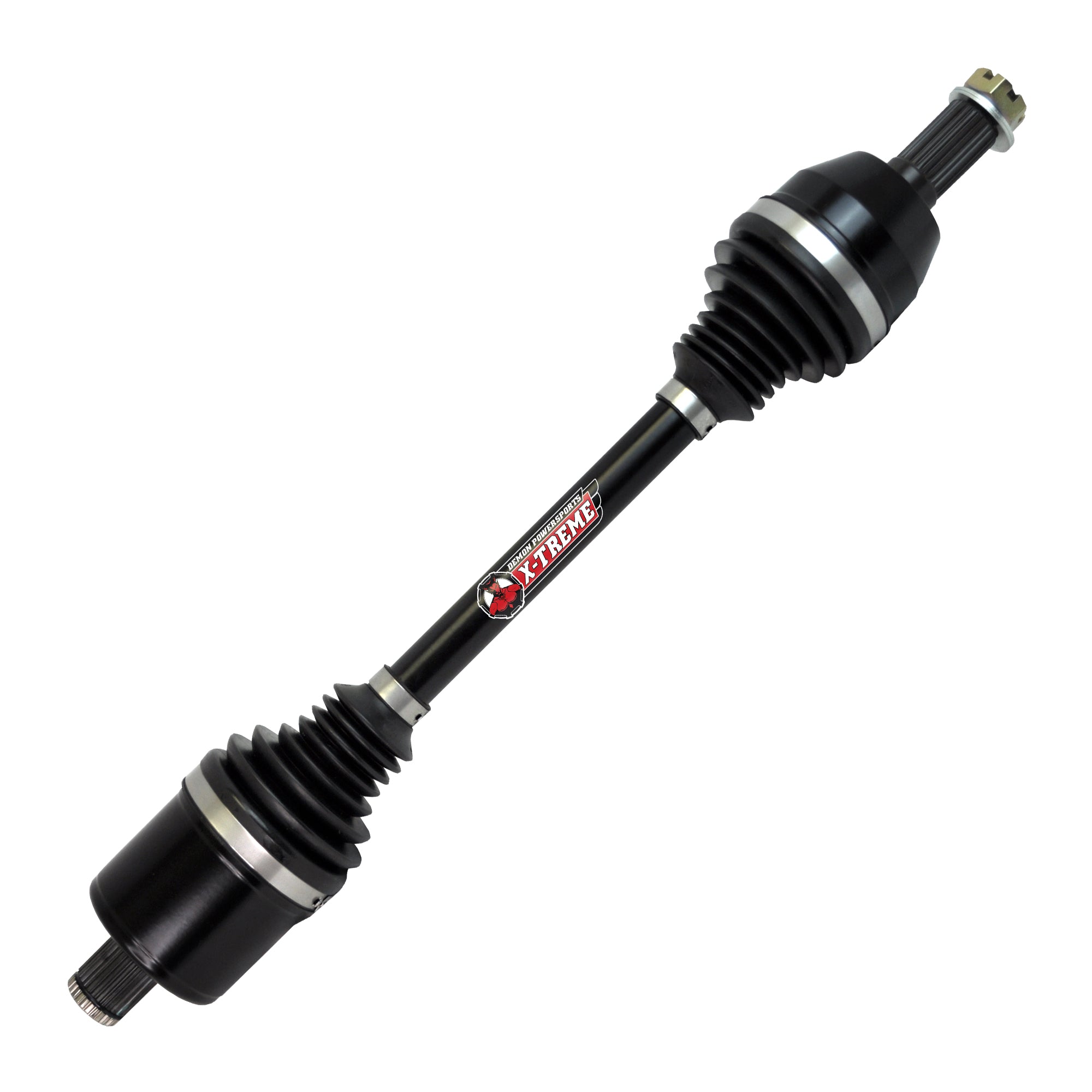
That is where Xtreme Heavy Duty CV Joint setups start making sense. The goal is not building an indestructible machine.

The goal is creating a machine that feels more prepared for the way it is actually being used.
A stronger CV setup helps support more demanding riding conditions while reducing the chance that the next weak point appears at the worst possible time.
Mud Riders Often Miss the Warning Signs
Most CV joint problems do not appear dramatically.
They usually start small.
- A little vibration.
- A little clicking.
- A little grease.
Then eventually performance changes.

Before every serious ride, riders should make a habit of checking underneath instead of waiting for symptoms during the ride.
- Look at the boots.
- Check for grease.
- Pay attention to noises during turns.
- Notice whether power delivery feels smooth.
- Those few minutes often reveal problems early.
And early fixes are almost always easier than trail recoveries.
Build for the Ride You Actually Do
- Oversized tires are not the problem.
- Mud is not the problem.
- Aggressive riding is not the problem.
The problem happens when the machine evolves but the supporting parts underneath stay unchanged.
The truth is simple. If the build demands more, the driveline feels more.
CV joint work harder than most riders realize.
And when deep mud, larger tires, and repeated suspension movement enter the picture, they often become one of the first places where riders discover the difference between stock capability and a build designed for harder riding.
"Before your next mud ride, take a look underneath. Your tires may already be ready. Make sure the parts turning them are ready too."


