





A Can-Am can make a rough trail feel like an open invitation to push harder. You pick up speed, roll through ruts, climb over rocks, and steer through tight turns. But while you’re focused on keeping the machine moving, your steering components are working through every impact and change in direction.
One small but important part of that system is the tie rod end. When it develops excessive play, gets damaged, or wears out, steering precision can suffer. And on demanding trails, that can change the way your entire ride feels.
Tie rod ends connect the steering linkage to the wheels, helping translate steering input into a change of direction. They need to move as the suspension travels while maintaining a secure connection.
On rough terrain, that job gets complicated. A tire dropping into a deep rut, striking a rock, or suddenly finding traction can send impacts through the steering system. Repeated impacts and abrupt direction changes can place additional stress on tie rod ends and other steering components.
The load can increase further when a Can-Am is fitted with larger tires or modified suspension. Those changes can affect steering geometry and the forces transmitted through the system, depending on the setup.

Tie rod ends don’t always fail without warning. Paying attention to changes in steering feel can help you identify a problem before your next ride.
Watch for:
Excessive steering play: The steering wheel moves before the tires respond as expected.
Unusual clunking: Knocking or clicking noises may come from worn or loose steering components.
Unsteady tracking: The machine may feel less predictable over bumps or ruts.
Uneven tire wear: Steering or alignment issues can contribute to irregular tire wear.
Visible damage or looseness: Torn boots, corrosion, or noticeable movement at a joint deserve inspection.
These symptoms can have several causes, so don’t assume the tie rod end is always responsible. Check the steering linkage, ball joints, wheel bearings, suspension, and alignment as needed.
When you’re navigating rocks, mud, or uneven trails, predictable steering helps you choose your line and react to changing terrain. Worn or damaged tie rod ends can introduce unwanted movement, making it harder to maintain the steering response you expect.
That’s why inspecting steering components is an important part of preparing your Can-Am for aggressive riding. Check for play according to the vehicle’s service procedure, inspect the joint and its boot, and make sure the hardware is secure.
If a component is damaged or has excessive play, address it before riding again. Continuing to ride with compromised steering parts can affect control and may cause further damage.
For riders maintaining a Can-Am that sees regular trail use, Rugged Tie Rod Ends offer a replacement option to consider when the original parts are worn or damaged.
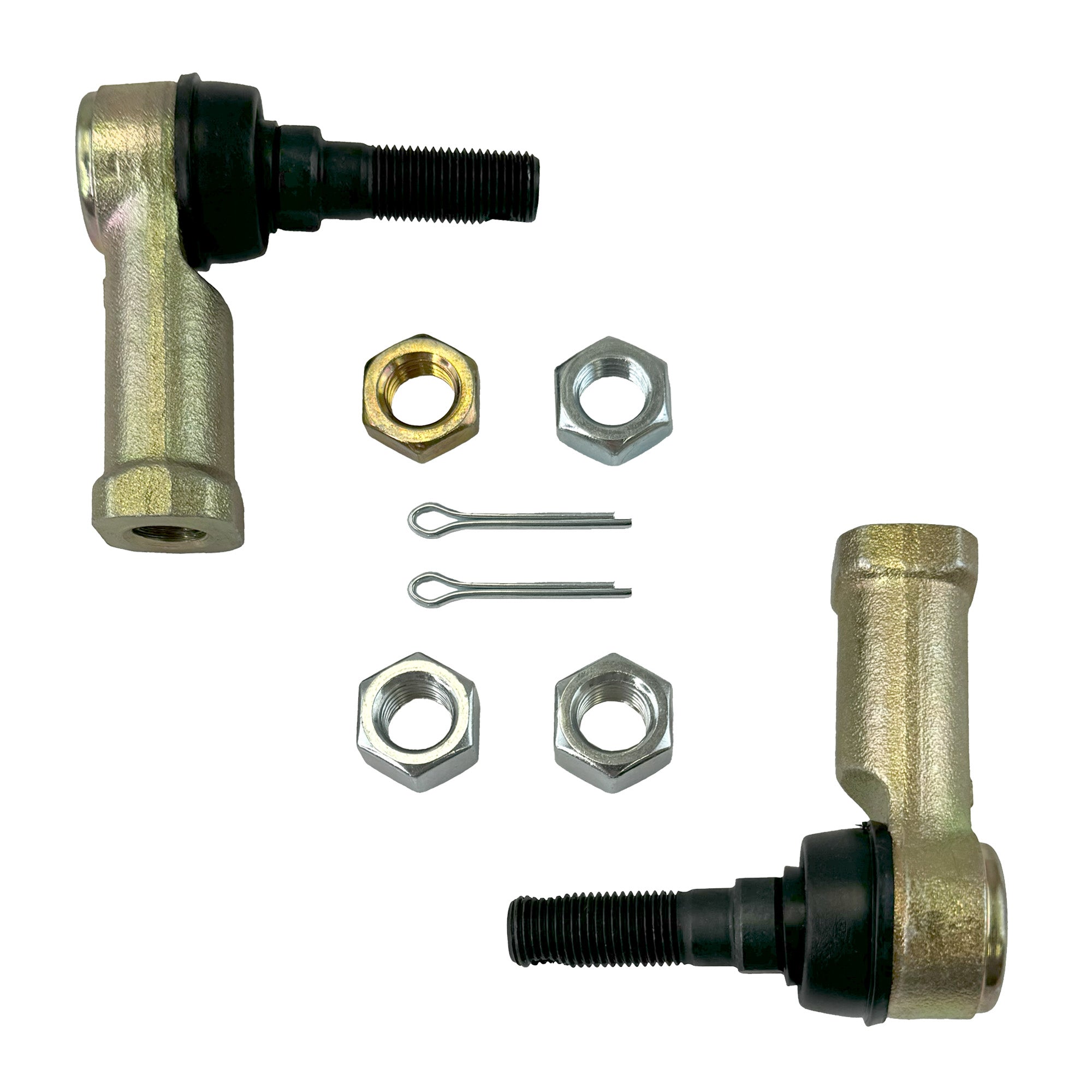
The right replacement depends on your exact Can-Am model, year, and configuration. Confirm fitment before ordering, and follow the manufacturer’s installation and torque specifications. A replacement tie rod end also won’t correct other issues, such as bent steering links, worn ball joints, or incorrect alignment.
There’s no single riding limit that applies to every Can-Am. Terrain, speed, tire size, suspension modifications, maintenance, and component condition all affect how much stress the steering system experiences.
Before your next hard ride, inspect your tie rod ends and the rest of the steering linkage, pay attention to new noises or looseness, and make sure your setup is appropriate for your machine. If you’ve recently upgraded tires or suspension, check whether those changes require additional inspection or alignment.
Your Can-Am is built for adventure, but even a capable machine depends on the condition of its smaller components. Keeping the tie rod ends in good shape helps preserve the steering response you rely on when the trail gets rough.
Leave a comment