





Hey there, off-road family! If you are lucky enough to have a Can-Am Maverick or Commander sitting in your garage, you already know the thrill of taking on challenging trails, deep mud holes, and wide-open desert runs. These machines are incredible straight from the factory, built to deliver adrenaline-pumping fun. But as any seasoned rider will tell you, pushing your rig to the limit especially after adding a few choice upgrades—requires paying close attention to the parts keeping you moving forward.
Today, we are diving into one of the most critical, yet frequently overlooked, components of your UTV's suspension: the ball joints. Let us explore why upgrading your front end is a game-changer for your riding experience.
Before we get into the nitty-gritty of stock versus aftermarket parts, let us take a moment to appreciate what a ball joint actually does. Think of it as the shoulder or hip joint of your Can-Am. It connects your A-arms to the steering knuckle, allowing the suspension to move up and down over rough terrain while simultaneously letting the wheels pivot left and right so you can steer.
Every single time you hit a rock, land a jump, or power through a rut, an immense amount of force travels directly through that small metal stud. Because they handle both suspension articulation and steering, ball joints are under constant, multi-directional stress. When they are working perfectly, you enjoy smooth handling and precise control. When they start to fail, your entire ride is compromised.
Do not get me wrong, the factory ball joints on a Maverick or Commander are perfectly fine for the average rider sticking to mild trails with stock-sized tires. The factory engineers design these parts to handle standard weekend cruising. However, most of us do not leave our machines stock for very long.
As soon as you bolt on heavier 30-inch or 32-inch tires, install a lift kit, or start tackling aggressive rock crawling trails, you push the OEM ball joints far past their intended design limits. The biggest issue with factory ball joints is that they are generally sealed units. This means you cannot add fresh grease to them. Once trail dirt, fine sand, or muddy water inevitably works its way past the rubber dust boot, that contamination stays trapped inside. It acts like sandpaper, rapidly grinding down the internal components.
Furthermore, the metal studs on standard ball joints are relatively thin. Under the increased leverage of bigger, heavier tires, a hard impact can bend the stud or, even worse, cause it to shear off completely, leaving your wheel detached on the side of the trail.
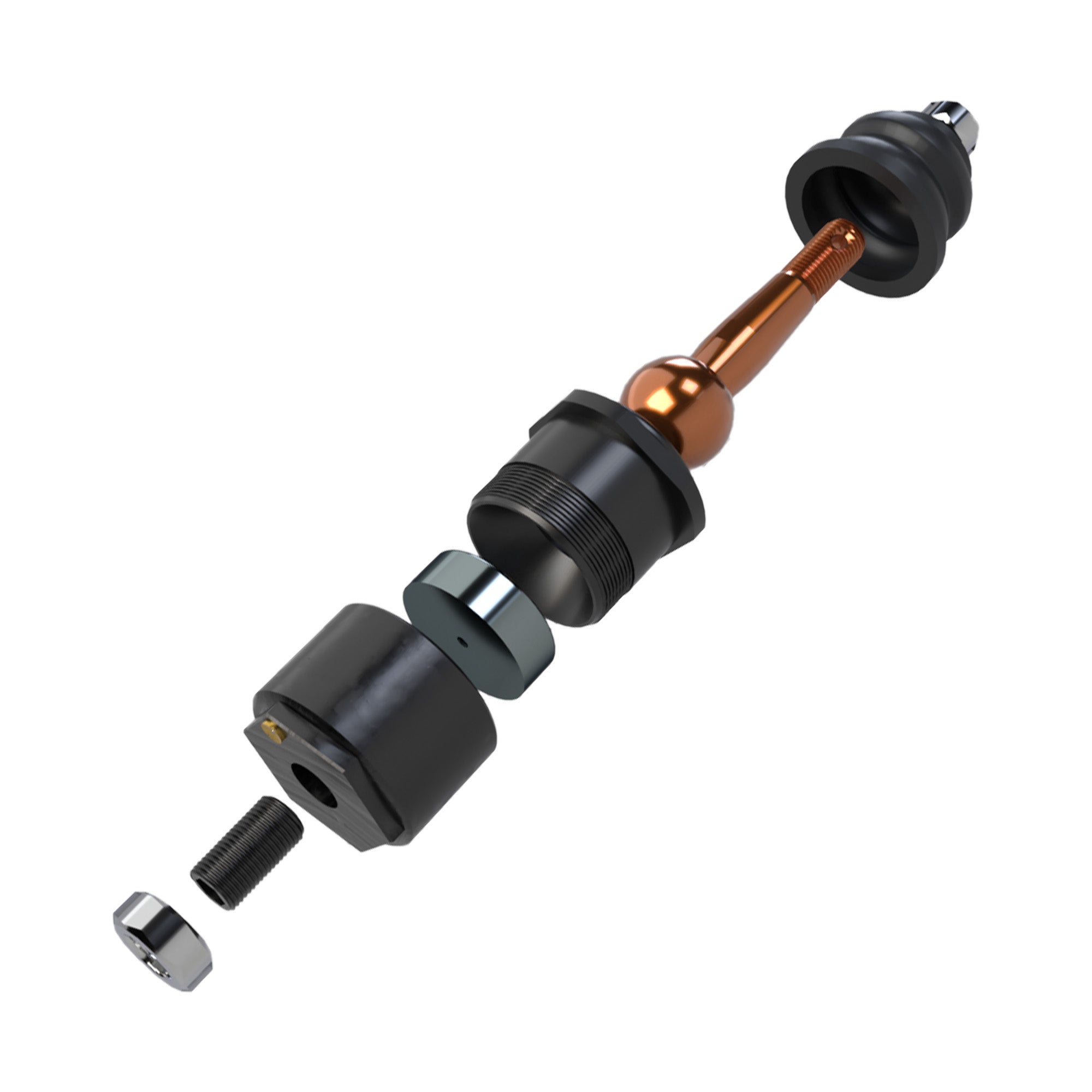
This is where making the jump to a heavy-duty option changes the game. For riders demanding more from their machines, premium parts like Demon Powersports Xtreme Heavy Duty Ball Joints offer the reliability that factory parts simply cannot match. A true heavy-duty ball joint is re-engineered from the ground up to solve the exact problems UTV owners face in the wild.
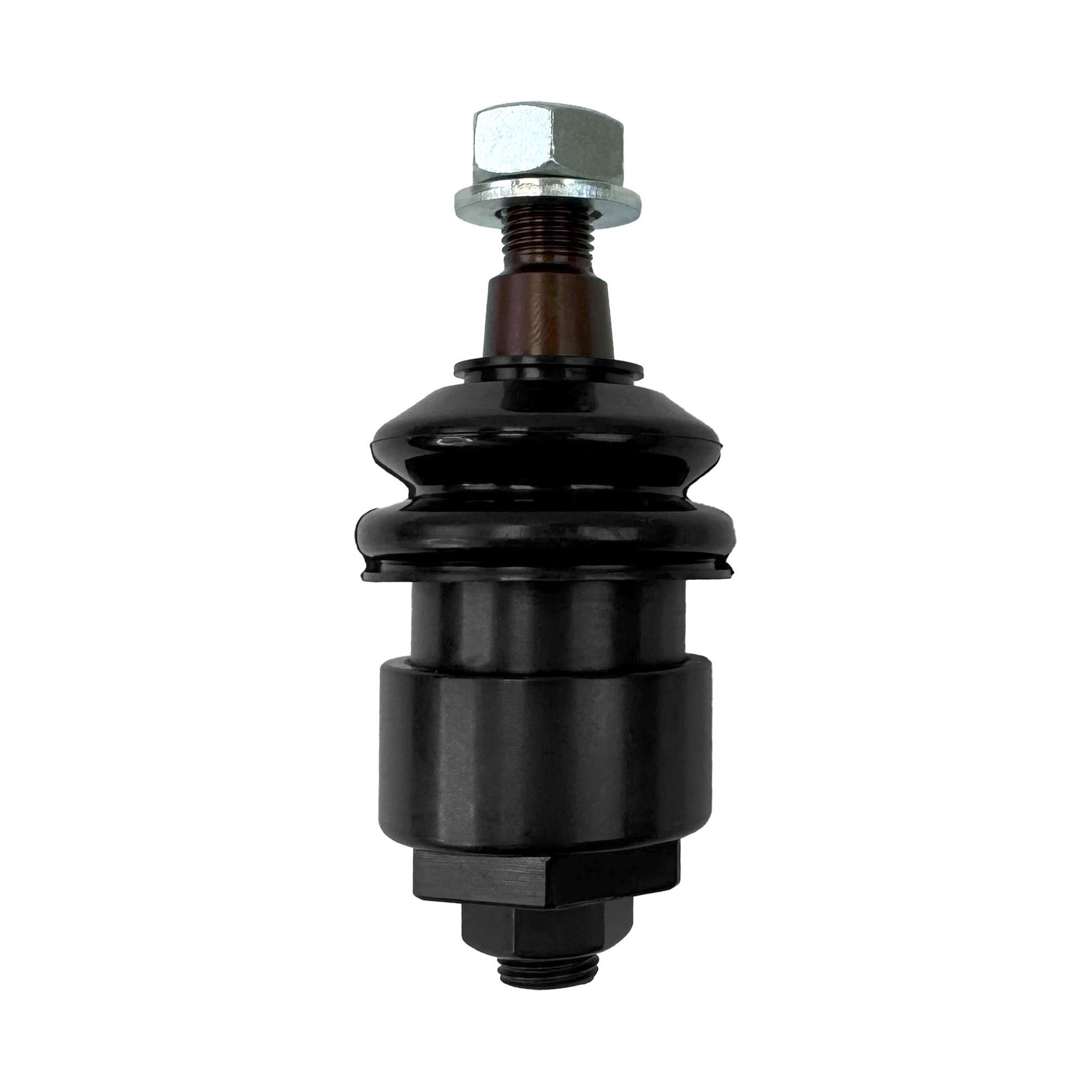
First, they utilize superior materials, typically forging the studs from heat-treated 4340 chromoly steel. This massive increase in tensile strength means the stud is highly resistant to bending or snapping under extreme shock loads. Second, they are designed with maintenance in mind. Xtreme Heavy Duty Ball Joints feature built-in grease zerk fittings. After a long weekend riding through mud or water crossings, you can hook up your grease gun and flush out any contaminants, filling the housing with clean, fresh lubrication. This simple maintenance step drastically extends the lifespan of the joint.
To make things crystal clear, let us look at a direct comparison between your factory setup and a premium heavy-duty upgrade:
Material Strength: Stock joints use standard steel that can bend under the leverage of large tires. Heavy-duty joints use 4340 chromoly steel, offering vastly superior resistance to shearing.
Maintenance: Stock units are sealed; once they dry out or get dirty, they are done. HD units feature grease zerk fittings, allowing you to flush and lubricate them regularly.
Stud Thickness: OEM studs are thinner at the base. HD studs feature a significantly thicker, reinforced base to handle aggressive suspension angles and heavy impacts.
Serviceability: Factory parts wear out and must be thrown away. Premium HD options are often adjustable and rebuildable, letting you tighten the internal tension as the joint seats over time.
You do not want to wait for a catastrophic failure on the trail to tell you your ball joints are bad. Catching the warning signs early in your garage or driveway is the smart approach. Listen for a distinct metallic clunking or popping noise from the front end when turning sharply or driving slowly over uneven ground. Pay attention to your steering; if your Can-Am wanders, feels vague, or pulls to one side at higher speeds, worn pivot points might be shifting your alignment.
The best diagnostic method is the manual shake test. Jack up the front of your UTV safely so the tires are completely off the ground. Grab the tire at the 12 o'clock and 6 o'clock positions and firmly try to rock it back and forth. If you feel or see any play between the steering knuckle and the A-arm, it is time to order some heavy-duty replacements.
Leave a comment