

An Arctic Cat ATV can move from packed trails to wet mud, loose sand, and rocky terrain in a single ride. Those changing conditions put different demands on the braking system. Whether you use your machine for trail riding, property work, or weekend adventures, brake pads need to deliver predictable friction and withstand heat, moisture, and dirt.
Choosing the right replacement is not just about finding a pad that fits. The friction material, riding conditions, rotor compatibility, and exact model fitment all matter. Here is what to consider when upgrading your Arctic Cat with Demon Sintered Brake Pads.
1. Match Your Brake Pads to the Way You Ride
Off-road riding can create repeated braking demands. Descending a hill, slowing down with a loaded ATV, or making frequent stops on a muddy trail can build heat in the braking system. Water, dust, and grit can also affect the operating environment.
A suitable brake pad should provide consistent friction across the conditions you regularly encounter. Sintered metallic pads are commonly selected for demanding ATV use because they are designed to handle heat and work in wet, muddy, dusty, and sandy conditions. The right choice still depends on your ATV's original brake system and rotor requirements.
2. Why Consider Sintered Brake Pads?
Sintered Brake Pads are made by bonding metallic materials under heat and pressure. Compared with many organic-style compounds, sintered materials are designed to tolerate higher operating temperatures and resist wear in demanding conditions.
Demon Sintered Brake Pads use a high-density metallic compound containing copper, tin, graphite, and other metallic elements with non-ferrous fibers. The bronze-washed friction material is designed to maintain consistent friction across a wide temperature range and help reduce brake fade as temperatures rise.
That makes them worth considering for Arctic Cat owners who ride through mud, water, dust, sand, or changing trail conditions. They are also a practical option for riders who want a durable replacement for regular off-road use.
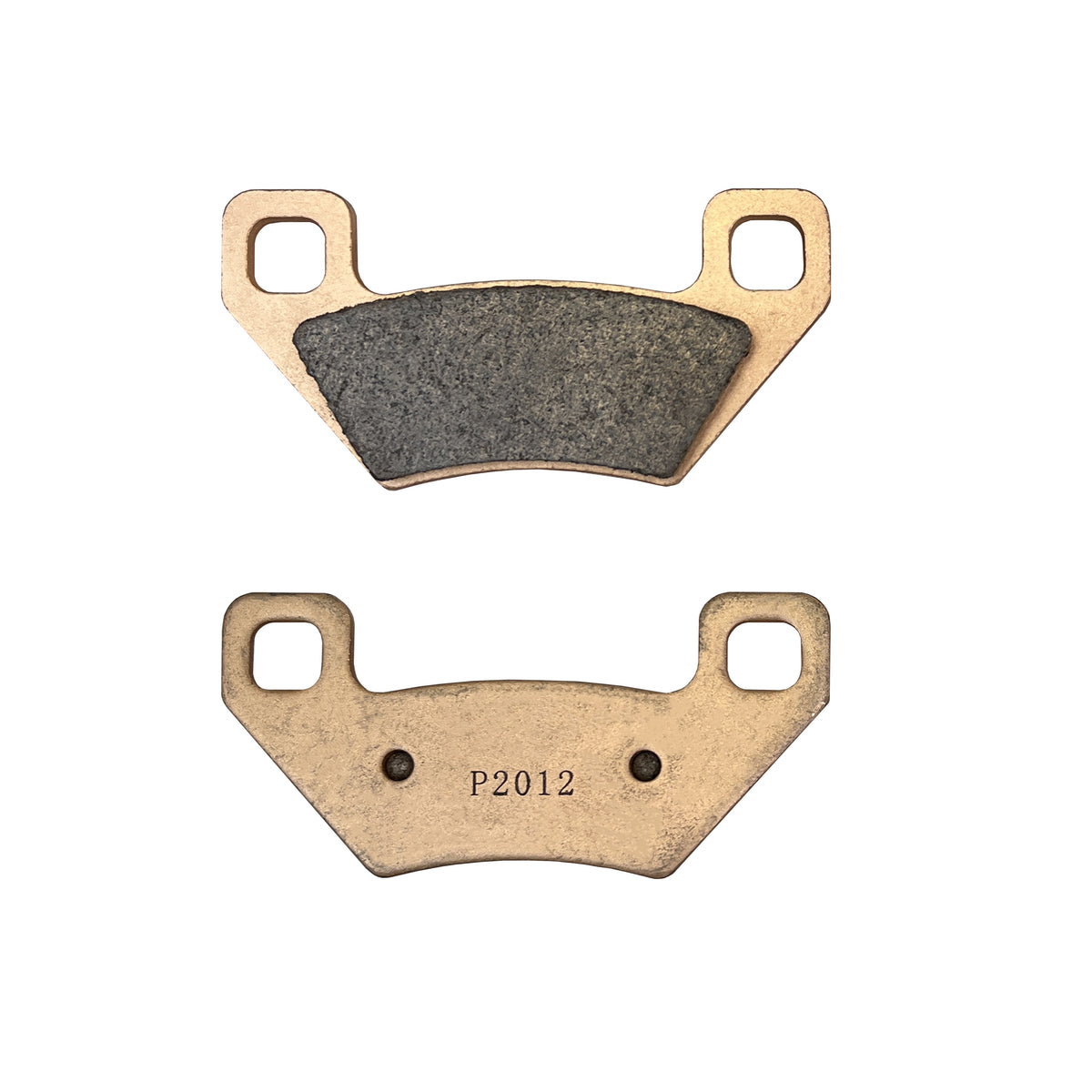
3. What Makes Demon Sintered Brake Pads Different?
Demon Brake Pads are built with a steel backing plate and a high-density sintered metallic friction material. Their compound is designed to provide responsive braking in wet and muddy conditions while maintaining stable friction at different operating temperatures.
Key product features include:
-
High-density sintered construction: Designed for consistent friction and resistance to heat-related brake fade.
-
Metallic bronze-washed compound: Contains copper, tin, graphite, and other metallic elements with non-ferrous fibers.
-
Steel backing plate: Provides the structural base for the friction material.
-
Off-road capability: Developed for riding conditions that include wet trails, mud, dust, and sand.
-
12-month limited warranty: Covers qualifying manufacturing defects in workmanship, subject to Demon Powersports' warranty terms.
Brake performance also depends on rotor condition, caliper operation, installation, and proper bedding-in. Even a suitable pad cannot compensate for damaged rotors or a brake system that needs service.
4. Confirm the Correct Arctic Cat Model and Position
Arctic Cat has a wide range of ATV models, and brake pad shape and position can vary by year, trim, and brake assembly. A pad listed for an Arctic Cat 500 is not automatically correct for an Arctic Cat 550, Alterra, or DVX.
Demon Powersports offers model-specific sintered brake pad options, including:
Before ordering, confirm the model year, exact model and trim, and whether you need front or rear pads. Check the product fitment chart and compare the listed application or OEM reference with your original parts. Do not rely on the brand name or engine size alone.
5. Inspect the Entire Brake System When Replacing Pads
Brake pad replacement is a good time to inspect the components that work with them. Check the rotors for deep grooves, cracks, scoring, or uneven wear. Make sure the caliper moves correctly and that the hardware is not damaged or seized. If a rotor is below its service limit or has visible damage, follow the service manual's replacement guidance.
Install pads according to the vehicle service manual and product instructions. Use the specified torque values, keep friction surfaces free of grease and oil, and follow the recommended bedding-in procedure before demanding hard braking. After installation, test the brakes at low speed in a safe area before returning to normal riding.
For a broader service routine, see our preventive maintenance guide for ATVs and UTVs that ride hard.


